3 min
3 min 
Upselling and cross-selling help businesses earn more from customers who are already ready to buy.
Upselling offers an upgrade, while cross-selling suggests a related item at checkout.
You see this everywhere. Amazon shows related products before payment. SaaS tools offer higher plans as usage grows.
These offers work because they appear at the right time and feel useful.
This blog shares the latest 2026 upselling and cross-selling statistics and shows how businesses increase order value and repeat sales without extra ad spend.
Top highlight
- Upselling and cross-selling increase total revenue by 10–30%.
- Product recommendations drive up to 35% of eCommerce sales.
- Selling to existing customers is 60–70% easier than selling to new ones.
- Existing customers generate 5–25× more profit.
- Average upsell conversion rates range from 15–30%.
- SaaS upsells convert at around 27.6%.
- Personalized recommendations increase AOV for 98% of retailers.
- Email upsell campaigns convert at about 9%.
- Bundled offers increase AOV by 20–30%.
- AI-driven recommendations raise order value by 15–22%.
All your reviews in one place
Collect reviews, manage every response, and display them where they matter most.
19 Latest upselling & cross-selling statistics
1. Upselling and cross-selling increase total revenue by 10–30%.
Most businesses see a clear revenue jump once they add upsell and cross-sell offers.
Even small add-ons can accumulate across thousands of orders and drive steady growth.
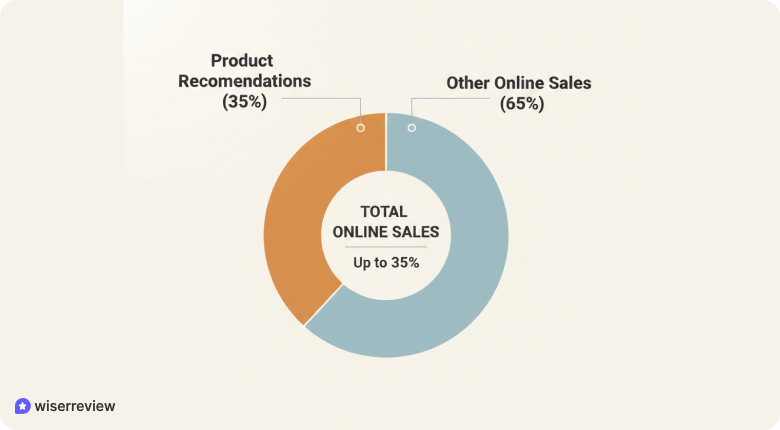
2. Product recommendations contribute up to 35% of total online sales.
Large eCommerce stores earn a significant share of revenue from “related products” and “frequently bought together” sections.
These suggestions reduce decision time and increase cart size.
3. Cross-selling increases profit by around 30%.
Related add-ons usually cost very little to sell. This makes cross-selling one of the fastest ways to improve profit margins without raising prices.
4. Existing customers are 60–70% more likely to buy again.
Customers who already trust a brand respond better to upgrades and add-ons.
They need less convincing compared to first-time buyers.
5. Upselling existing customers delivers 5–25× higher profit.
Selling more to current customers is far cheaper than acquiring new ones. This is why retention-focused brands grow faster and more efficiently.
6. Around 75% of businesses report revenue growth from upselling.
Most companies that use upselling confirm real results.
Even introductory offers, such as upgrades or bundles, deliver measurable gains.
7. Average upsell conversion rates range between 15–30%.
Upsells convert well because they appear during high-intent moments. Checkout and post-purchase stages perform best.
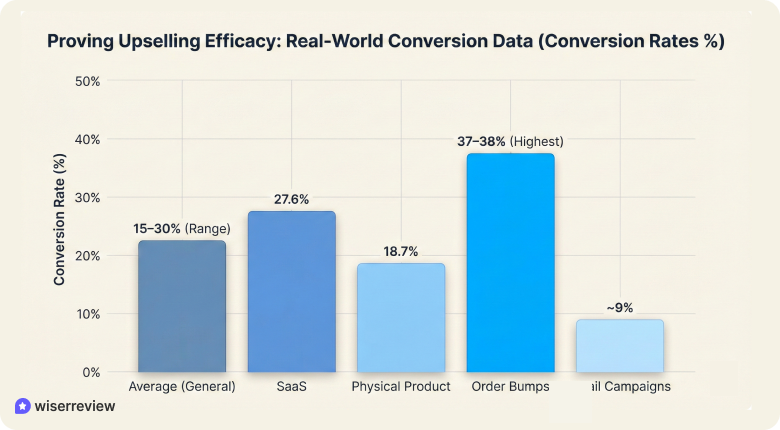
8. SaaS upsells convert at an average rate of 27.6%.
Software users often upgrade plans as usage grows. Feature unlocks, extra seats, and higher limits drive strong acceptance rates.
9. Physical product upsells convert at about 18.7%.
While lower than SaaS, physical product upsells still add substantial value.
Accessories, warranties, and bundles work exceptionally well.
10. Order bumps convert as high as 37–38%.
One-click add-ons near checkout remove friction. Customers say yes more often because no extra steps are required.
11. Desktop upsell conversion rates are higher than mobile, averaging 28–30% on desktop compared to 18–20% on mobile.
Desktop users convert more easily due to larger screens and easier comparison.
Mobile still performs well, but needs simpler offers.
12. Email upsell campaigns convert at about 9%.
Post-purchase emails remind customers of useful add-ons. These emails work best when sent within a few days of purchase.
13. Personalized upsell emails increase AOV by nearly 28%.
Emails based on past behavior feel more relevant. This directly leads to higher-order values and better engagement.
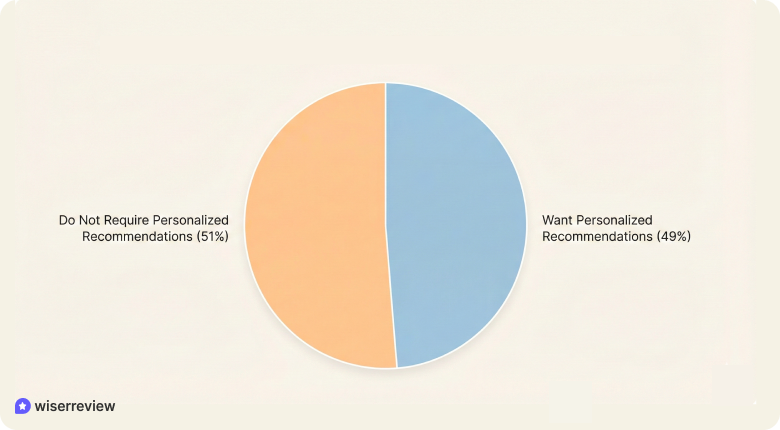
14. 49% of shoppers want personalized product recommendations.
Nearly half of shoppers expect brands to understand their needs.
Generic offers feel less valuable and get ignored.
15. 83% of shoppers are more likely to buy with relevant suggestions.
Timing and relevance matter more than discounts. Showing the right product at the right moment drives action.
16. 98% of retailers report higher AOV with personalization.
Almost all retailers see gains once they personalize offers.
Even simple personalization improves results.
17. Personalized upselling improves retention by about 75%.
Helpful offers build long-term trust. Customers stay longer when upsells feel supportive instead of pushy.
18. AI-powered recommendations increase AOV by 15–22%.
AI helps match products faster and more accurately.
This improves both acceptance rates and customer experience.
19. Upselling will drive around 60–65% of future revenue growth in the coming years.
Growth is shifting from new customer sales to expansion revenue. Brands that upsell well rely less on ads and discounts.

All your reviews in one place
Collect reviews, manage every response, and display them where they matter most.
Start Free →Future outlook: What’s next for upselling & cross-selling
Upselling and cross-selling are shifting from simple add-ons to smarter, customer-first experiences.
AI, new sales channels, and stronger privacy expectations are shaping how brands offer upgrades and related products in the coming years.
AI-driven recommendations and real-time optimization
AI is changing how upsell offers work. It analyzes browsing, purchase, and usage data to determine what to show and when.
Offers real-time updates based on intent, device, and behavior. This helps customers see options that feel useful instead of random.
Omnichannel and post-purchase Upselling
Upselling now happens across many touchpoints, not just checkout. Brands use email, SMS, apps, dashboards, and support chats.
Post-purchase upsells work well because trust already exists. Offers sent shortly after a purchase, like add-ons or upgrades, see higher response rates.
Ethics, privacy, and customer trust
Customer trust matters more than quick wins. Buyers want clear rules on how data is used.
Brands that stay transparent and avoid pushy tactics keep customers longer. Helpful offers build loyalty, while aggressive upselling pushes people away.
How to apply these statistics to your strategy
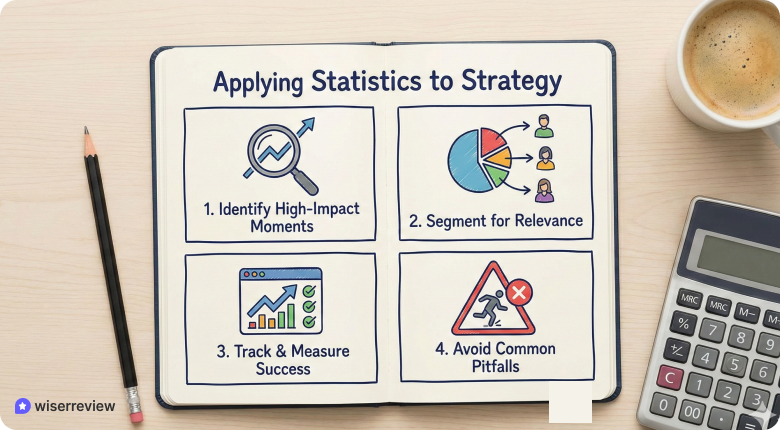
Statistics only matter when they guide action.
The real value comes from using upselling and cross-selling at the right time, with the right audience, and measuring what works without hurting trust.
Identifying high-impact moments
Focus on moments when buying intent is already high. Checkout, post-purchase pages, renewal points, and usage limits are the best places to show offers.
Customers are more open to upgrades and add-ons when they are already engaged.
Segmenting for relevance
Not every customer should see the same offer. Group users by behavior, past purchases, spend level, or product usage.
New buyers respond better to simple add-ons, while repeat customers are more open to upgrades and bundles.
Tracking and measuring success
Track metrics that show real impact. Watch average order value, upsell conversion rate, repeat purchase rate, and revenue per customer.
Compare results across channels and devices to identify where upsells perform best.
Avoiding common pitfalls
Do not overload customers with too many offers. Avoid displaying irrelevant add-ons that slow decision-making.
Test one change at a time and keep offers clear and helpful. Good upselling should feel like guidance, not pressure.
All your reviews in one place
Collect reviews, manage every response, and display them where they matter most.
Start Free →Conclusion
Upselling and cross-selling work best when they focus on timing and relevance.
The data show that small, well-placed offers can increase order value and drive repeat purchases without adding friction.
Real results come from understanding customer behavior. When offers align with real needs and arrive at the right moment, customers respond better and stay longer.
Brands that use simple personalization, clear messaging, and trust-first selling will see steady growth without relying more on ads or discounts.
Also see:
Frequently asked questions
Upselling offers a higher or better version of the same product, while cross-selling suggests a related or complementary product.
Checkout, post-purchase pages, renewal points, and usage limits are the highest-converting moments.
Yes. Data shows they can increase total revenue by 10–30% and raise average order value without extra ad spend.
eCommerce, SaaS, retail, and hospitality see strong results, especially with add-ons, upgrades, and bundles.
Keep offers relevant, limit the number shown, use clear pricing, and show them only when they add real value.

Krunal