6 min
6 min 
Choosing between BigCartel and BigCommerce comes down to one question: are you a small creator testing your first products, or a growing brand ready to scale?
BigCartel remains simple and cost-effective for artists with small product lines. BigCommerce offers robust features, including no transaction fees, for brands aiming for real growth.
If you are running a small creative shop, BigCartel may feel easy and familiar. If you are building a brand with plans to grow products, traffic, and revenue, BigCommerce offers far more room to expand.
This guide breaks down where each platform fits best, what you gain, what you give up, and which option actually supports growing brands.
Quick comparison: BigCartel vs. BigCommerce
BigCartel is a simple, low-cost platform that’s ideal for artists and small-batch makers with tiny catalogs. BigCommerce, on the other hand, is a powerful tool for growing businesses that need the flexibility to add a ton of features and no limits on products.
| Feature | BigCartel | BigCommerce |
|---|---|---|
| Best For | Artists, makers, and small-scale creators | Growing businesses and established SMBs |
| Product Limit | Max 500 products (highest paid plan) | Unlimited |
| Product Variants | Limited (max 5 per product) | Extensive (up to 600 per product) |
| Pricing | Free plan available; paid plans are cheaper | More expensive; no free plan |
| Support | Email only | 24/7 phone, live chat, and email |
| Advanced Features | Lacks built-in features like abandoned carts | Includes robust native features like abandoned carts & multi-channel selling |
| Customization | Limited themes and basic customization | Extensive theme library & deep customization |
Pricing and cost structure as brands grow
Pricing determines your long-term profitability. Both platforms structure costs differently based on business size.
BigCartel pricing model
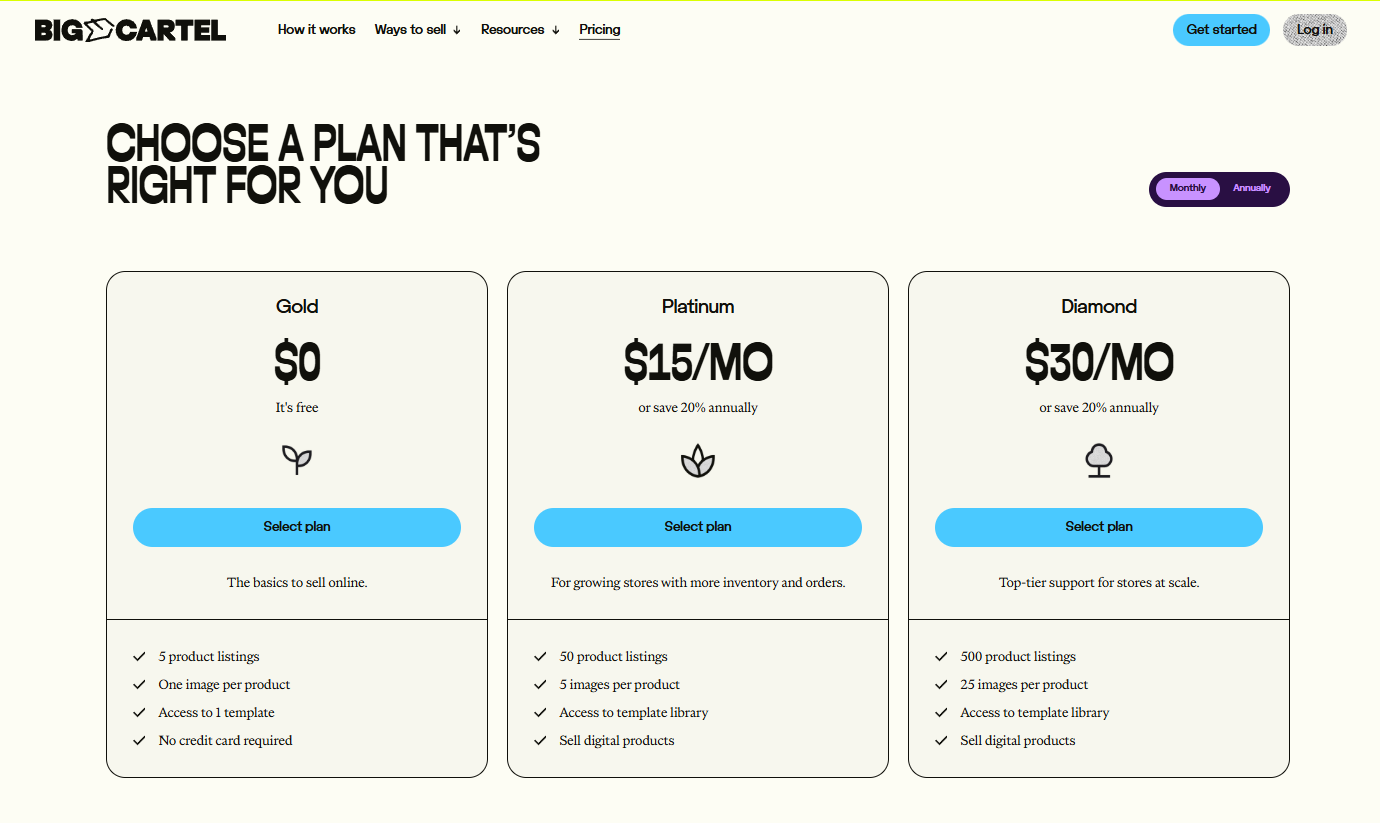
BigCartel has a simple, tiered pricing system with an absolute maximum number of products you can list.
- Fixed monthly cost: Your monthly cost will not fluctuate with sales volume. Prices range from free for up to 5 products to $30 per month for up to 500 products.
- No transaction fees: BigCartel will not charge you any transaction fees, so you can enjoy your increased sales without any deductions.
- Payment Processor Fees Only: Your only costs will be the standard processing fees charged by third-party providers such as Stripe or PayPal (typically 2.9% + $0.30 per transaction).
BigCommerce pricing model
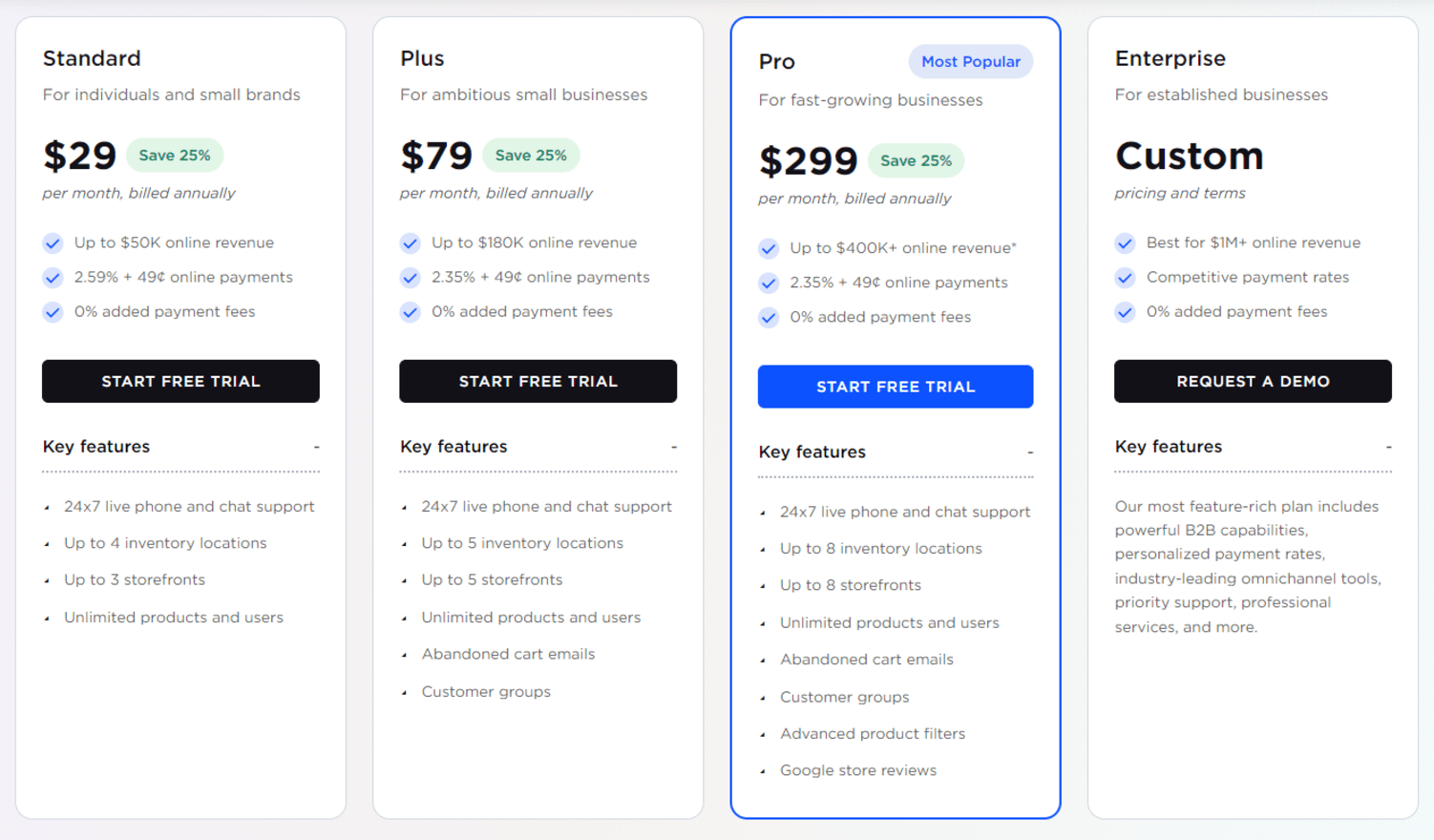
BigCommerce does things a bit differently: they’ve got tiered pricing plans, Standard, Plus, Pro, and Enterprise, and they come in monthly and annual options.
- Fixed pricing: Standard starts at around $39/month (or $29/month if you go annual) and goes all the way up to $105/month ($79/month for an annual plan) for Plus, $399/month ($299/month for an annual plan) for Pro, and then there are custom quotes for Enterprise.
- Key Inclusions Across Plans: No transaction fees, as many products as you need, and all the storage and staff accounts you can handle. Plus mobile-responsive themes and a page builder, 24/7 support, and support for selling on multiple channels like eBay and Amazon.


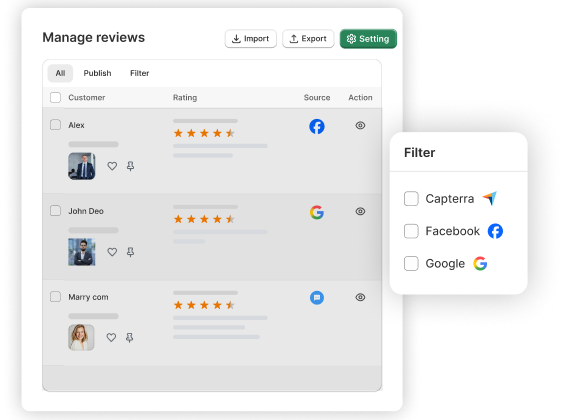
All your reviews in one place
Collect reviews, manage every response, and display them where they matter most.
Product catalog and inventory scalability
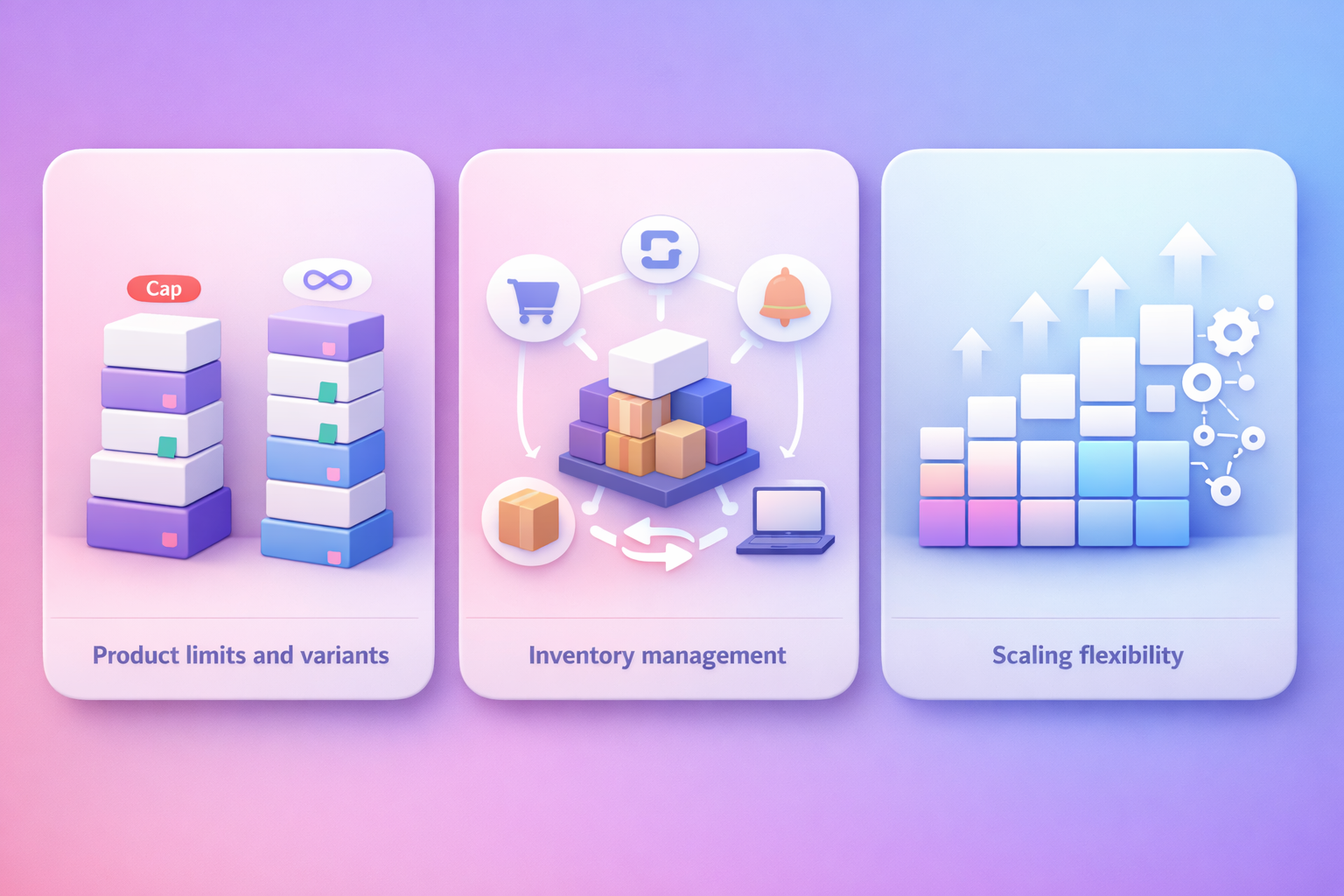
Product limits and inventory management become critical as your business expands. Here’s where the platforms differ significantly.
Product limits and variants
BigCartel: Capped at 500 products. No plan upgrade is available beyond this limit; you must migrate platforms if you exceed it. 150 variants per product. Suitable for simple options (e.g., Size/Color) but restrictive for complex combinations.
BigCommerce: Unlimited products on all plans. The platform is designed to handle catalogs with SKUs ranging from dozens to hundreds of thousands. 600 SKUs/variants per product. Also supports “Modifiers” (customizations that don’t track inventory) to virtually extend options.
Inventory management for growth
BigCartel (Manual & Simple): Inventory tracking uses a toggle to mark items as “Sold Out” when stock reaches zero. It is functional for creators managing stock from a single location. Does not natively support multi-warehouse inventory or complex backorder logic.
BigCommerce (Automated & Scalable): Native inventory syncing across channels (Amazon, eBay, Instagram) prevents overselling when a single pool of stock is listed in multiple places.
Supports granular inventory rules, low-stock alerts, and bulk export/import for massive catalog updates. Built to connect with external ERPs and Inventory Management Systems (IMS) as operations scale
Why catalog flexibility matters at scale
As brands grow, “flexibility” shifts from a convenience to an operational necessity.
Avoiding Platform Migration: If you hit BigCartel’s 500-product limit, you’re going to have to migrate everything, and that’s a whole lot of hassle. BigCommerce can handle a lot more without breaking a sweat.
Operational Efficiency: If you’re selling 1,000 items or more, manually updating items is nearly impossible. BigCommerce makes bulk automation and API integrations easy, so you can keep your store accurate without losing your mind.
Design, customization, and branding control
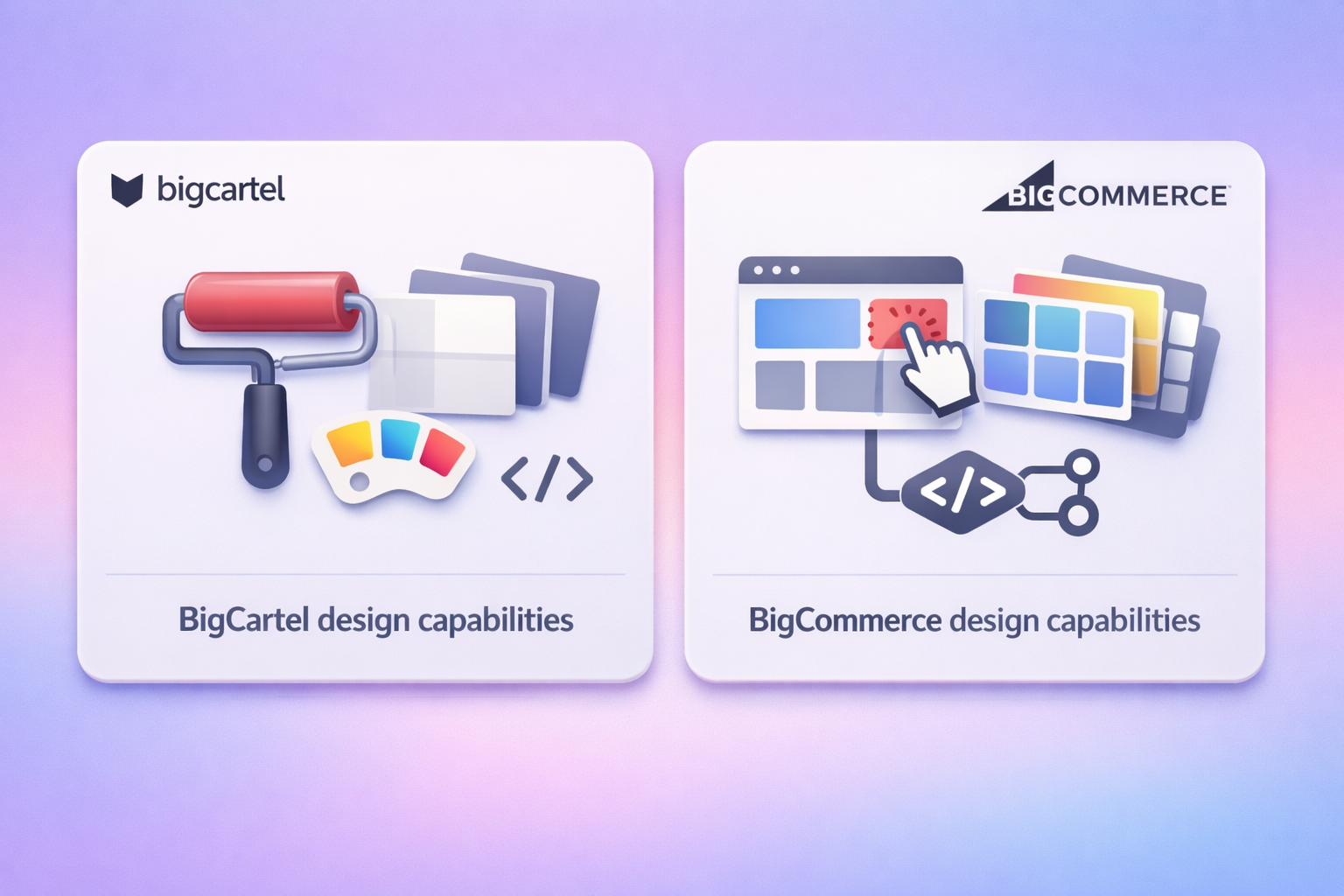
Your store’s design says a lot about your brand and influences how customers feel about shopping from you. Both BigCartel and BigCommerce offer design tools, but with significant differences.
BigCartel design capabilities
BigCartel is all about making things easy and fast, so it’s perfect for artists and makers who want a simple storefront with minimal effort.
- Limited Theme Selection: You’re limited to about 12-18 free, mobile-responsive themes, which isn’t many.
- Basic Customization: You have to manage things like uploading a logo, changing colors, and picking fonts, but that’s about it.
- Code Access for Paid Plans: If you’re paying for a plan, you can dig into the HTML and CSS editors, but you’ll need to know some coding to make the most of it.
BigCommerce design capabilities
BigCommerce wants to give growing businesses the flexibility to do things their way, so they’ve got a range of tools for both beginners and experienced developers.
- Extensive Theme Library: They’ve got over 200 themes to choose from, both free and paid options, designed for all sorts of businesses and industries.
- Drag-and-Drop Page Builder: BigCommerce’s page builder lets you create custom layouts, add widgets, and change your store’s appearance, all without needing to write a single line of code.
- Full Code & API Access: With technical expertise, BigCommerce provides access to its “Stencil” theme platform, enabling full editing of HTML, CSS, and template files.
Marketing, SEO, and sales tools
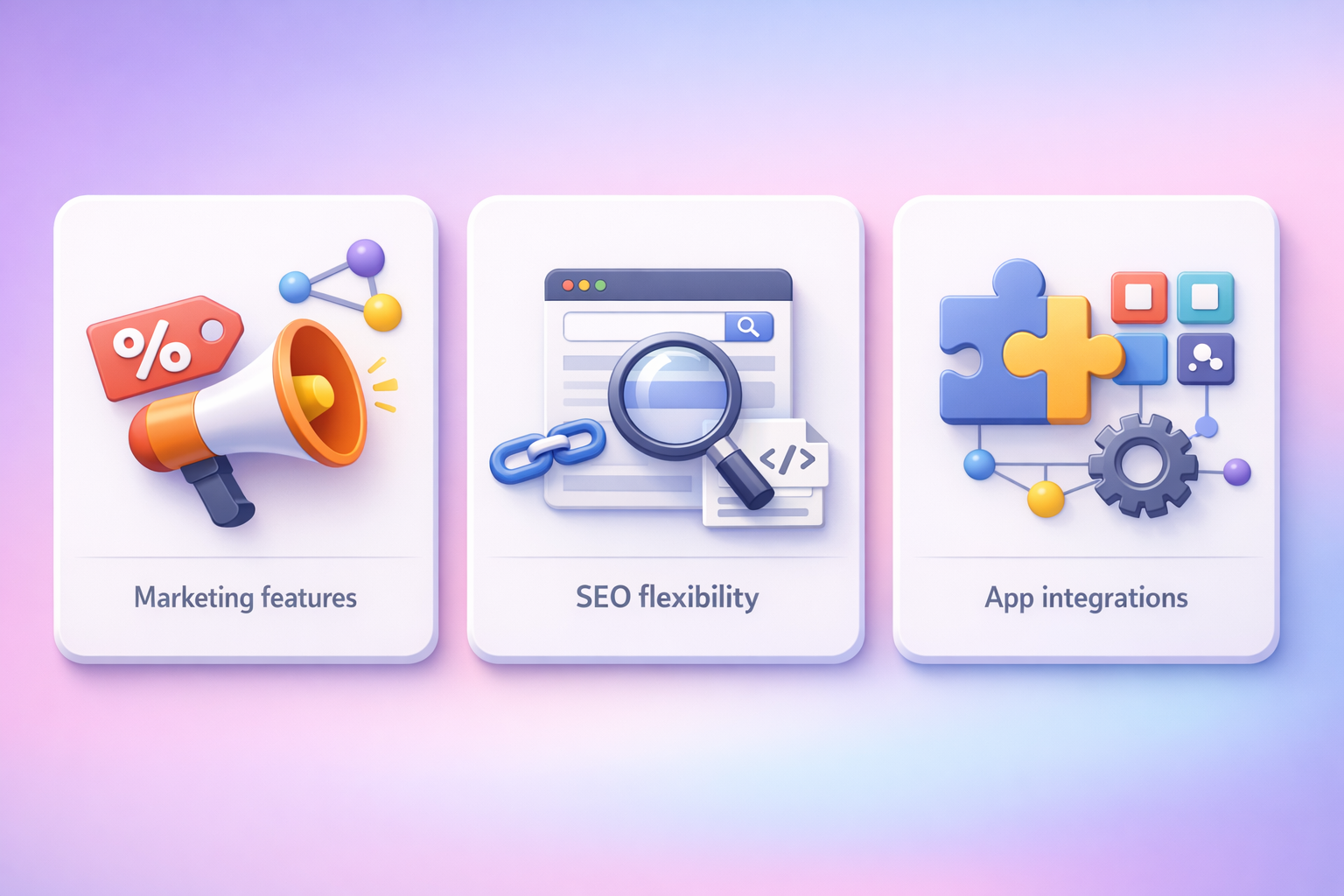
Growing brands need tools to attract customers and close sales. Marketing capabilities become increasingly important as you scale.
Built-in marketing features
BigCartel: Offers basic discount codes and social media linking, but that’s about it. No native email marketing tools to speak of, you’ll need to use a third-party service like Mailchimp for newsletters. Abandoned cart recovery is available only on the highest paid plan (“Diamond”).
BigCommerce: Includes abandoned cart recovery, customer segmentation, and a built-in blog on all standard plans. Natively integrates with Facebook, Instagram, Google Shopping, eBay, and Amazon, allowing you to manage sales across all channels from one dashboard.
SEO and content flexibility
BigCartel:
- Rigid Structure: URLs’ paths are not customizable (for example, “/product/” cannot be changed to “/shop/”); there are no built-in 301 redirect options, which might hurt SEO when modifying an SEO website.
- Basic Metadata: The basic metadata allows for customization of product titles and descriptions but only basic schema markup and metadata control without needing to code it yourself.
BigCommerce:
- Full Control: Offers customizable URLs, automatic 301 redirects (vital for preserving link equity when products change), and editable robots.txt files.
- Content: Includes a full Content Management System (CMS) for building landing pages and blogs to drive organic traffic.
App ecosystem and integrations
BigCartel: The ecosystem currently supports about 30-40 integrations (e.g., Printful, ShipStation). Most advanced functions rely on Zapier, which may incur additional monthly costs.
BigCommerce: Hosts hundreds of vetted apps for accounting, marketing, and shipping. Its open API architecture enables deep, custom integrations with ERPs and CRMs, making it well-suited to complex enterprise needs.

All your reviews in one place
Collect reviews, manage every response, and display them where they matter most.Payments, checkout, and customer experience
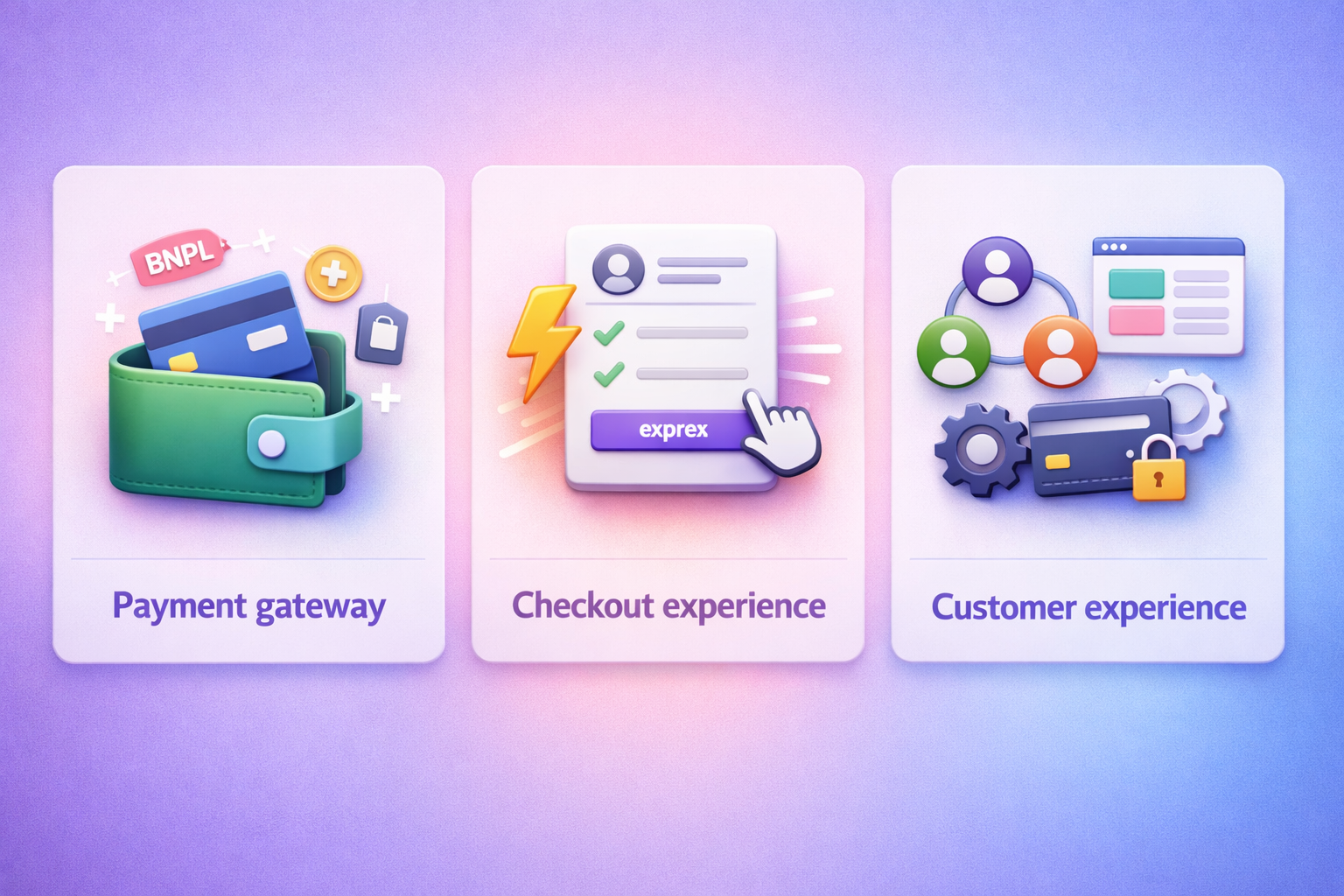
The checkout process has a huge impact on conversion rates. Even small improvements to the checkout flow can deliver an extra 10-20% revenue boost.
Payment gateway options
BigCartel: keeps the menu simple with two payment solutions, Stripe and PayPal. BigCartel accepts credit/debit cards, digital payment methods such as Apple Pay, Google Pay, Buy Now, Pay Later, using either Stripe or PayPal, mostly on paid plans.
BigCommerce: integrates with a vast number of payment gateways, including over 100 worldwide payment options such as Stripe, PayPal, Amazon Pay, and Apple Pay, among others. It supports payment methods including cards, wallets, Buy Now Pay Later, and purchase orders.
Checkout experience
BigCartel: It keeps the checkout process simple. Stripe lets you use Express Checkout (Apple Pay and Google Pay) and complete checkout quickly without filling out forms.
BigCommerce: includes an optimized one-page checkout to reduce friction and improve conversions. It’s highly customizable via a drag-and-drop editor or code access, allowing brands to control every aspect of conversion.
Customer experience at scale
BigCartel: The customer experience remains simple, with basic account creation and an order history view. It lacks the tools for advanced customer segmentation or personalized pricing.
BigCommerce: Does a better job of giving a great experience for a growing brand with features like customer groups, stored credit cards for faster checkout, and a self-service buyer portal for B2B customers.
Analytics, reporting, and data-driven growth
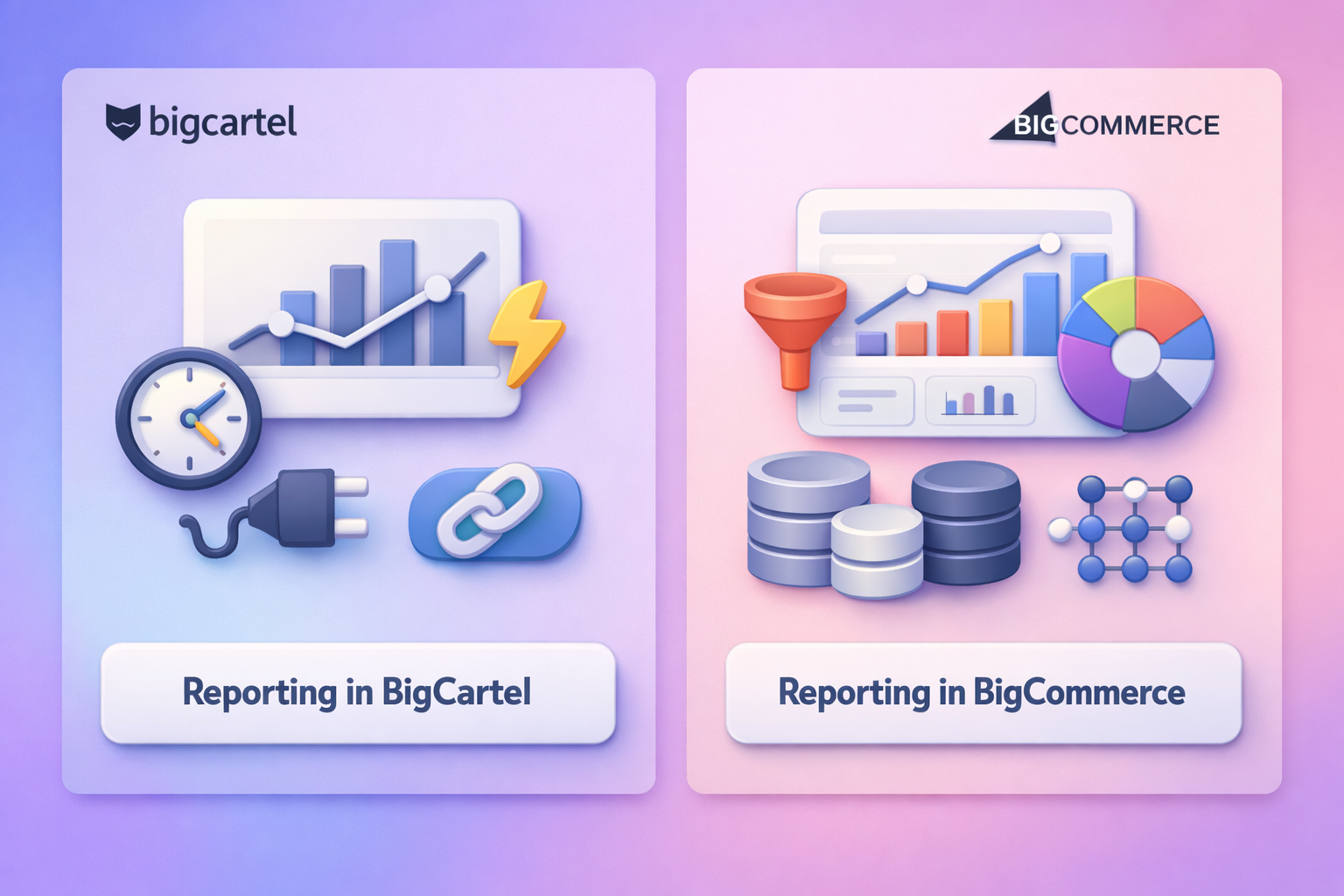
You can’t improve what you don’t measure. Analytics capabilities determine how effectively you can optimize your store.
Reporting in BigCartel
BigCartel’s reporting is built for speed and simplicity rather than deep strategic analysis.
- Real-Time Dashboard: All plans, including the free tier, include a basic dashboard showing total orders, revenue, and visitor counts.
- Third-Party Dependency: Advanced tracking, such as the Google Analytics 4 (GA4) integration, is available only on paid plans (Platinum and Diamond).
Reporting in BigCommerce
BigCommerce includes a comprehensive built-in analytics engine that rivals expensive third-party tools, even on its entry-level plan.
- Standard Suite: Includes detailed reports on sales trends, abandoned carts, purchase funnels, and tax.
- Customer Insights: gives you really granular data on customer behaviour, including new vs. returning visitor spend and marketing channel attribution.
- Advanced Growth Tools: Ecommerce Insights (provides high-level data on product conversion rates) and Data Warehouse Support (Enterprise-level users can export raw store data to Google BigQuery for advanced (BI) analysis).
- Native GA4 & Meta Pixel: All stores include built-in, easy-to-configure support for Google Analytics 4 and Meta Pixel to accurately track advertising ROI.
Support, reliability, and performance
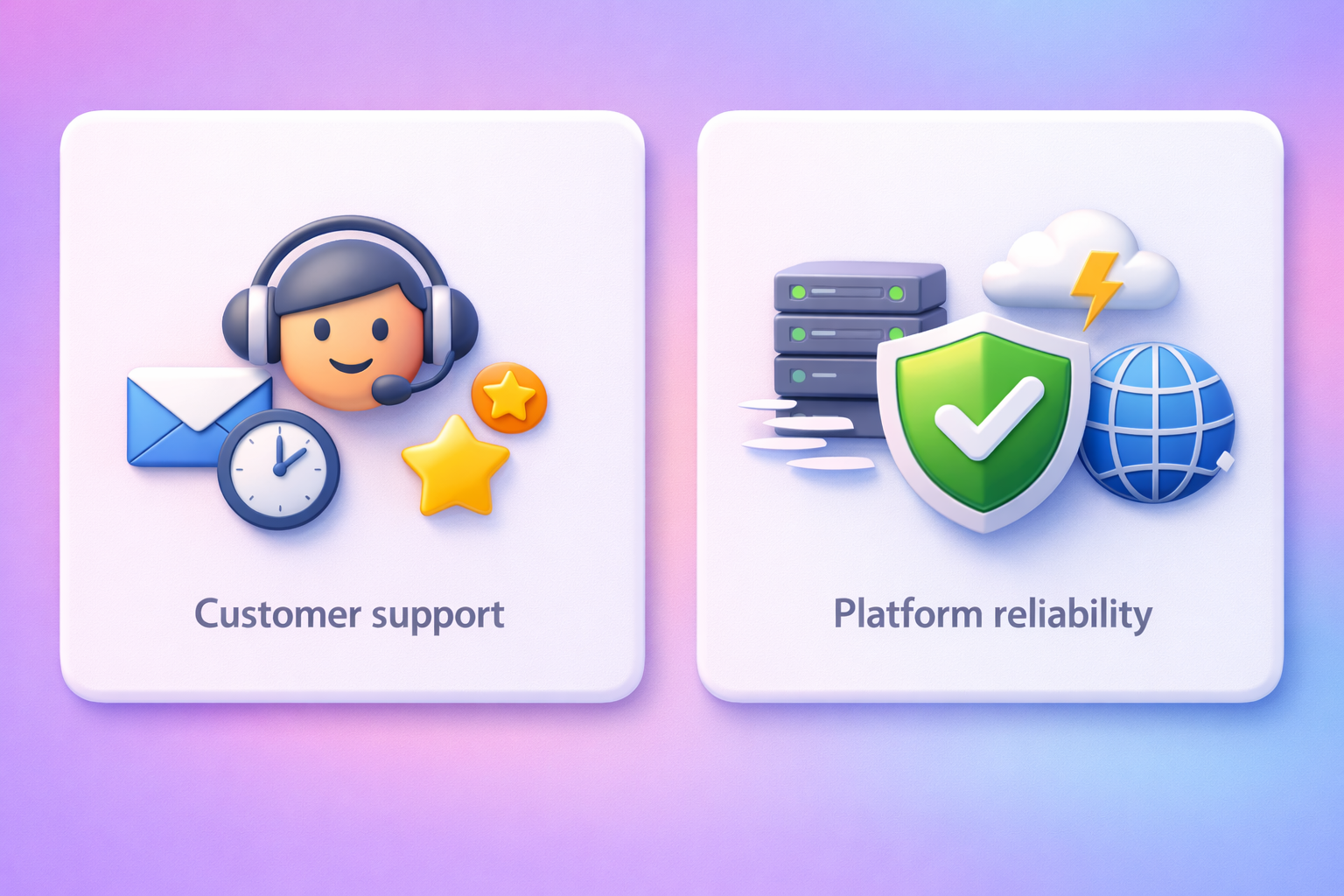
When your store goes down, you lose sales. Support quality and platform reliability directly impact revenue.
Customer support comparison
BigCartel: offers a streamlined, “artist-friendly” support focused on simplicity over deep technical assistance. Support is primarily email-based, available via direct messaging in the admin dashboard or email at support@bigcartel.com.
Only the highest-tier Diamond plan offers “prioritized support” for faster responses.
BigCommerce: offers 24/7 tech support via phone, live chat, and email ticketing on every plan. Traditionally, most calls are answered within 2 minutes, and about 85% of problems are resolved on the initial contact attempt.
Platform reliability and uptime
BigCartel: Considered highly reliable for simple stores, as it avoids the complexity of high-volume integrations. Generally loads quickly on both the front end and back end due to its minimalist architecture.
BigCommerce: Has maintained an immaculate record of 100% uptime during Cyber Week since 2016, designed to handle large traffic peaks. Its backbone consists of a Worldwide Content Delivery Network and an automated image optimization feature to ensure fast speeds.
All your reviews in one place
Collect reviews, manage every response, and display them where they matter most.Wrap up
BigCartel and BigCommerce both solve the “how do I sell online” problem, but they’re built for different stages of business.
BigCartel works best for artists, makers, and small creators with fewer than 500 products. BigCommerce is built for brands that plan to grow, with no product limits and stronger built-in features.
Many brands follow a natural path. They start on BigCartel to validate products and gain early sales, then move to BigCommerce once they outgrow limits or need more control.
Choosing the right platform early makes growth easier and prevents costly platform changes later.
Frequently asked questions
Yes. You can move products, customers, and orders using migration tools or services. Most moves take about one to two weeks, based on catalog size.
BigCartel needs no technical skills. BigCommerce adds more features but stays beginner-friendly with visual tools and clear guides.
BigCommerce is stronger for SEO. It includes schema markup, built-in blogging, and advanced controls. BigCartel covers only basic SEO needs.
BigCommerce supports Amazon, eBay, Facebook, Instagram, and Google Shopping. BigCartel mainly focuses on selling through your own site.

Krunal