3 min
3 min 
Travellers don’t just search “best hotels near me” anymore; they scroll through pages of reviews before clicking book.
The truth? Reviews make or break trust faster than any ad campaign ever could.
If you want to attract guests who are ready to book, you need to show up where they’re already reading and believing those reviews.
Here’s a breakdown of the 11 most trusted hotel review sites that influence booking decisions worldwide.
Comparing the 11–feature matrix
| Platforms | Global reach | Best for | Weak spot |
|---|---|---|---|
| Google Business Profile | ~2 billion+ monthly users | SEO visibility | Harder to filter fake profiles |
| TripAdvisor | ~463 million monthly travellers | Credibility & traveller trust | Ads can clutter pages |
| Booking.com | ~150 million monthly active users | Review authenticity | Limited visibility outside the platform |
| Expedia / Hotels.com | ~112 million monthly visitors | Group exposure | Weaker SEO footprint |
| Yelp for Business | ~76 million monthly unique visitors | Local audience | Tough moderation |
| Facebook (Meta Business Pages) | ~3.07 billion monthly active users | Easy engagement | Not travel-focused |
| TrustYou | ~1 million+ hotel partners / aggregated users | Review analysis & insights | Requires subscription |
| Oyster.com | ~10 million monthly readers | Professional reviews | Smaller user base |
| Trivago | ~120 million monthly visitors | Price comparison + review mix | Limited direct review control |
| Hotelbeds / Bedsonline | ~60,000 travel agency partners | Wholesale visibility | Less guest-facing |
| Trustpilot | ~64 million monthly active users | Brand trust across sectors | Fake review risk |
1. Google Business Profile (Google Reviews)
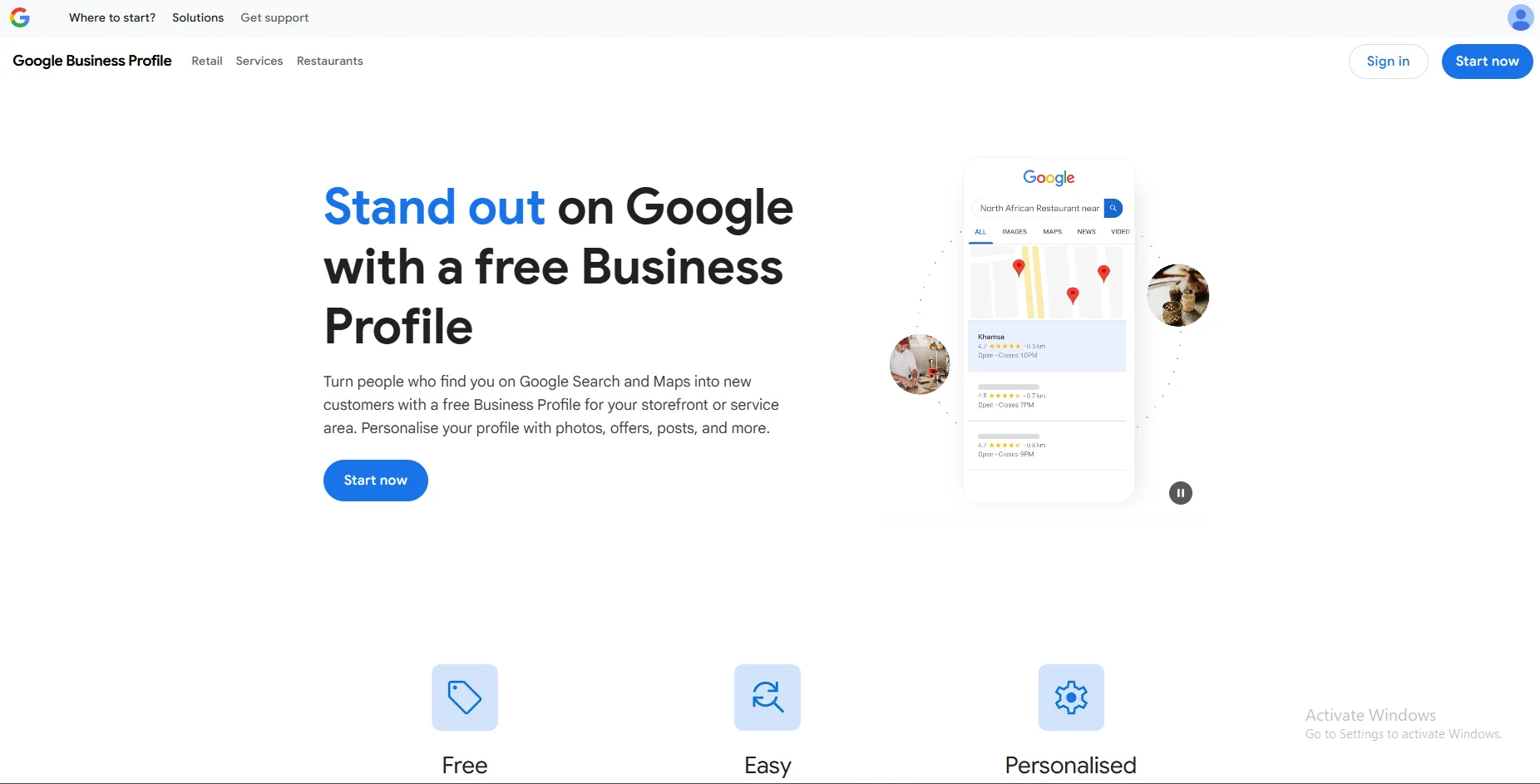
If your hotel isn’t on Google Maps, it’s practically invisible. Google reviews appear right next to your location, room rates, and photos, making it one of the first touchpoints for travellers.
Why it works:
- High visibility in Google Search and Maps
- Boosts your SEO and local ranking
- Easy for guests to leave quick feedback
What to watch: Anyone can leave a review, so you’ll need to respond fast to manage your reputation.
2. TripAdvisor
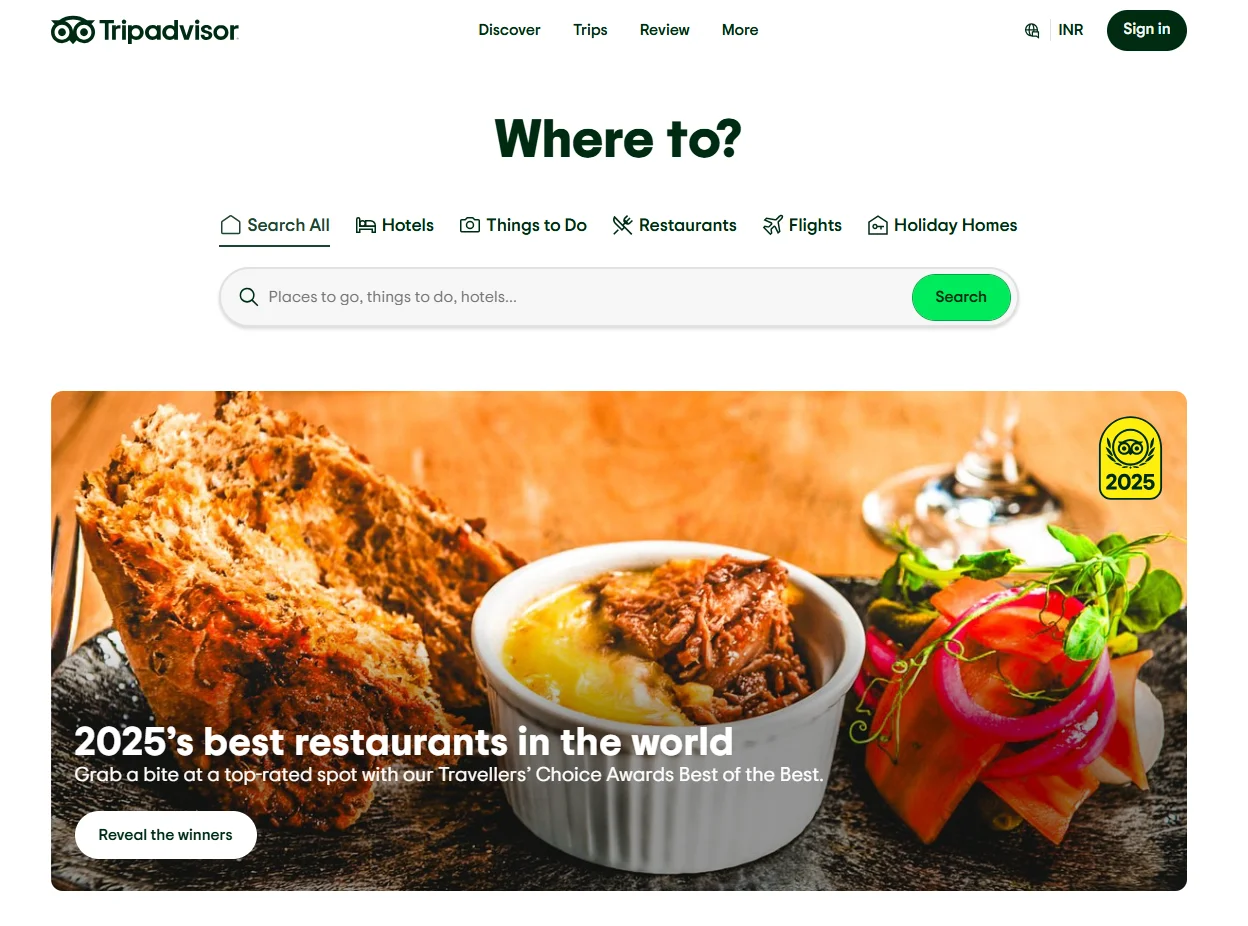
Still the world’s go-to for travel reviews. With millions of monthly visitors, TripAdvisor is where people compare everything from boutique stays to big chains.
Why it works:
- Trusted by travellers for over 20 years
- Mix of traveller photos, ratings, and rankings
- Integrates with booking partners
Watch for: Sponsored listings and ads can compete for guest attention.
3. Booking.com
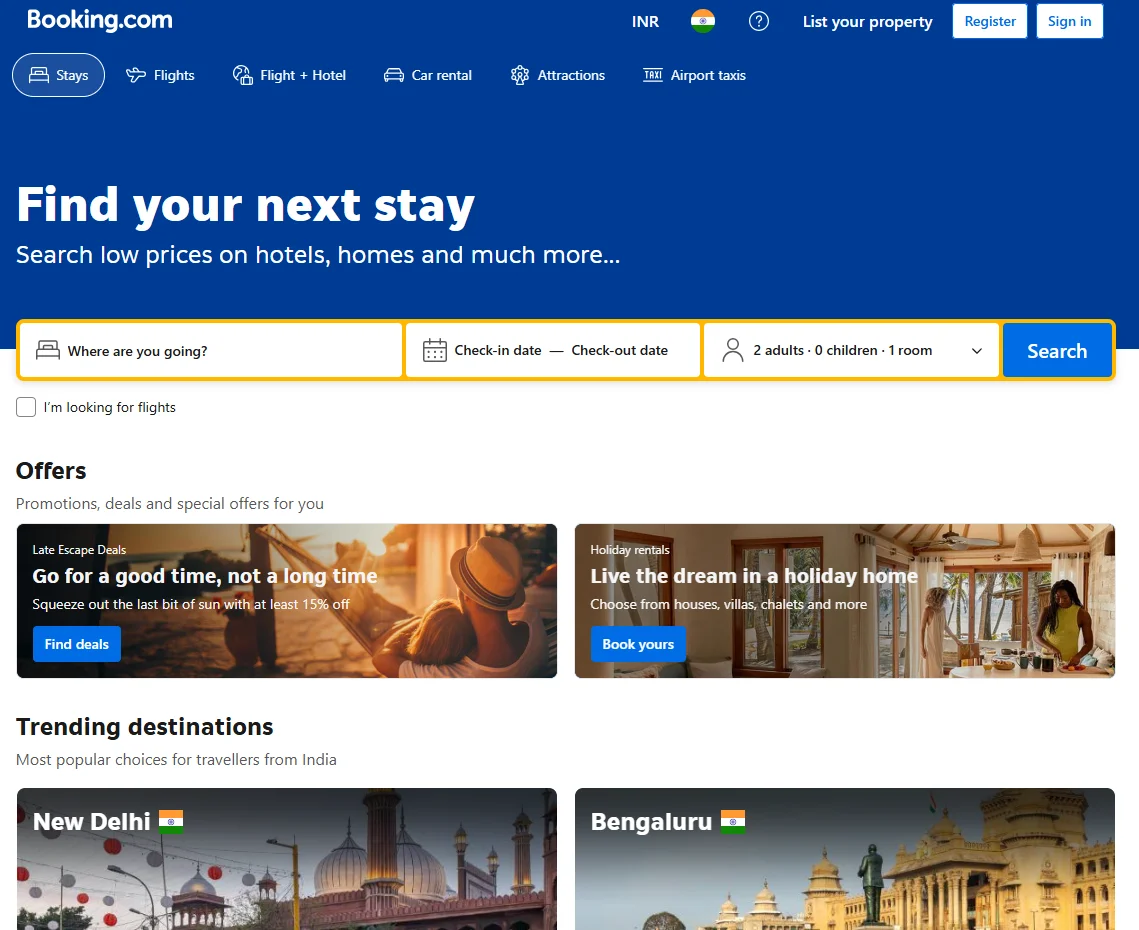
Guests only review if they’ve actually stayed, and that’s powerful. Booking.com reviews feel more “real” because every rating is linked to a verified booking.
Why it works:
- Verified guest-only feedback
- Weighted averages by cleanliness, staff, facilities, etc.
- Huge international audience
Weakness: Reviews stay within the Booking ecosystem, making them less discoverable on Google.
4. Expedia/Hotels.com (Expedia group)
Expedia’s review network connects your property across multiple booking sites, including Hotels.com and Orbitz.
Why it works:
- Global traveller base
- Verified guest reviews
- Great for increasing reach
Downside: not as community-driven, reviews feel transactional.
5. Yelp for business
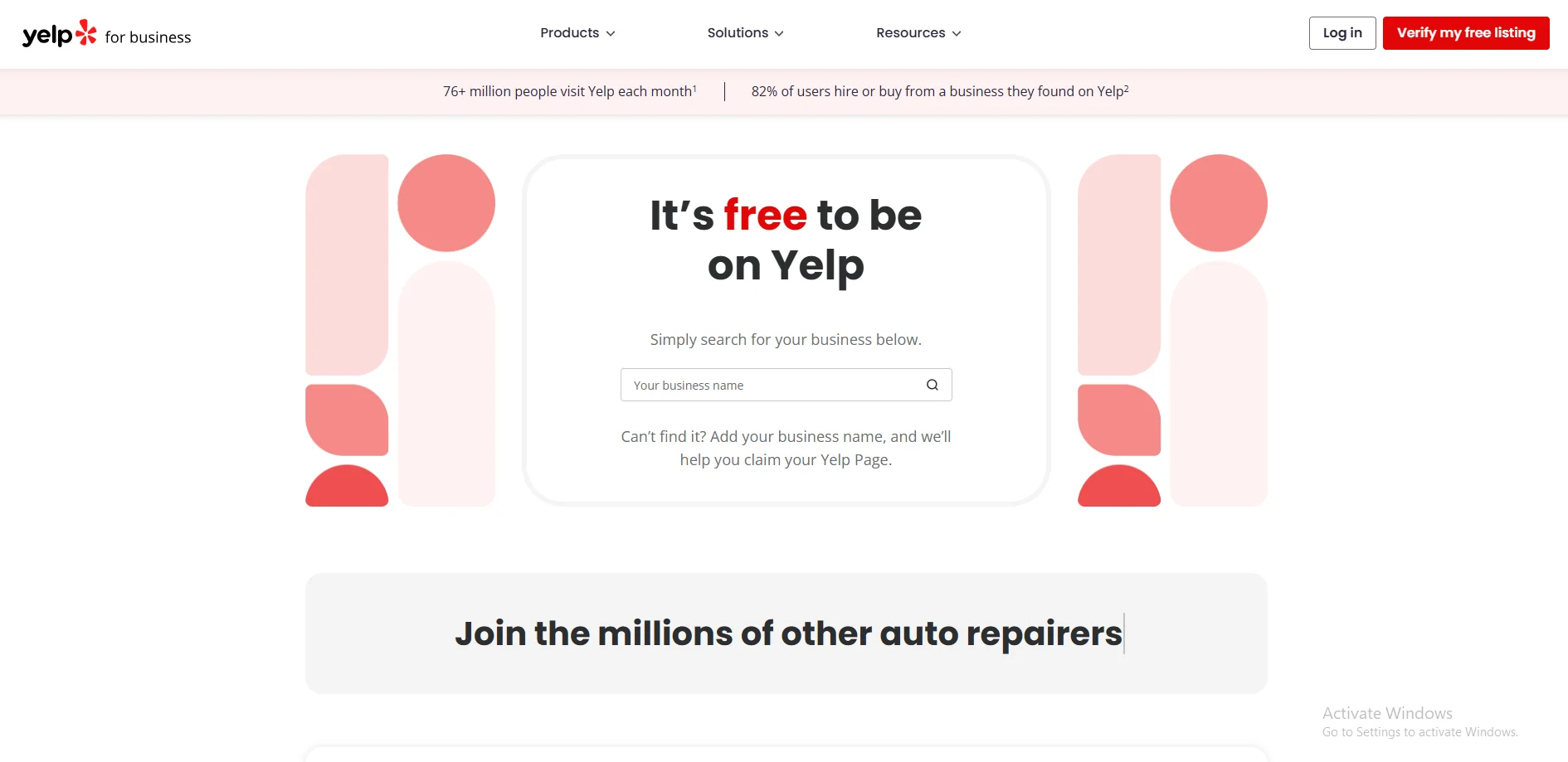
While Yelp isn’t strictly a hotel platform, it still matters for boutique hotels, inns, and bed & breakfasts, especially in North America.
Why it works:
- Strong local search visibility
- Easy to engage and reply publicly
Weakness: Review moderation can be unpredictable, and genuine reviews are sometimes filtered.
6. Facebook (Meta Business Pages)
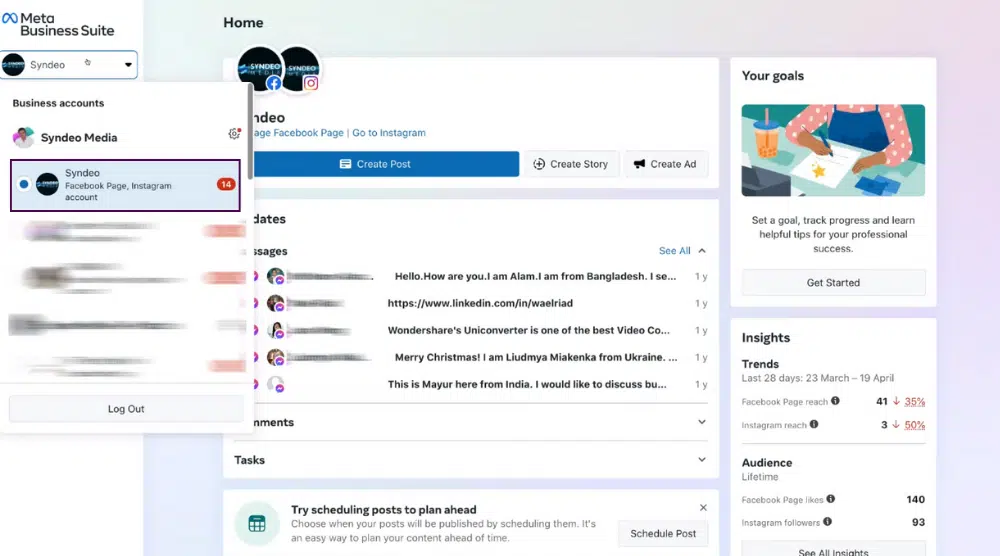
Yes, Facebook reviews (Recommendations) still influence decisions. Guests share photos, tag your page, and discuss experiences with friends, pure social proof.
Why it works:
- Easy to collect authentic stories
- Ideal for community-driven hotels or small chains
Weakness: not built for booking intent, think awareness, not conversions.
7. TrustYou

A favourite among professional hoteliers. TrustYou aggregates guest feedback from multiple platforms and uses AI to turn it into insights.
Why it works:
- Smart dashboard for review management
Verified data from partners - Helps benchmark performance vs competitors
Weakness: it’s more of a B2B tool, subscription-based, not guest-facing.
8. Oyster.com
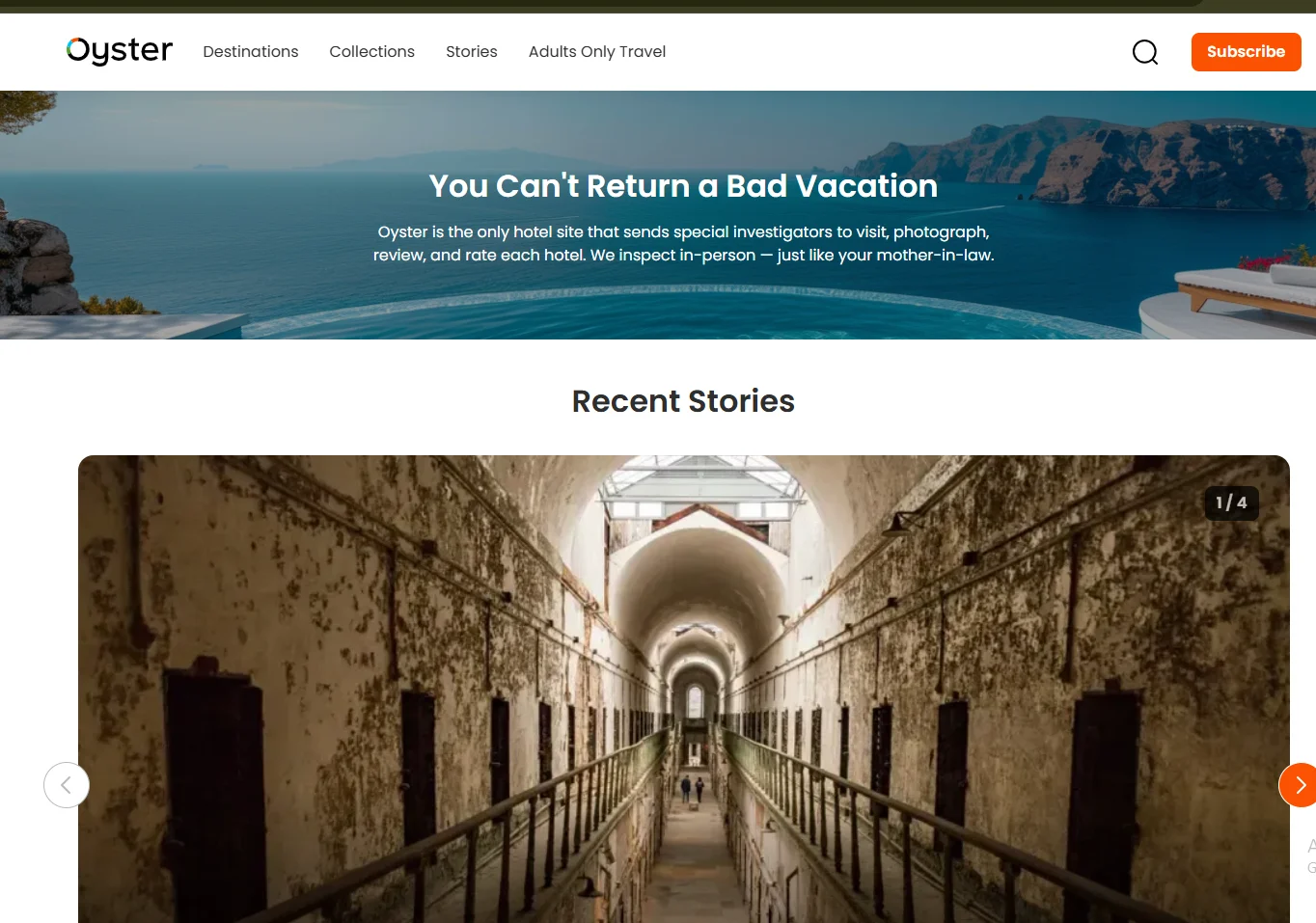
If TripAdvisor is crowd-powered, Oyster is editorial-powered. Every property is reviewed by professional travel writers who visit in person.
Why it works:
- Verified, journalist-level reviews
- High-quality photography
- Great credibility with premium travellers
Weakness: smaller audience reach, but stronger authority.
9. Trivago
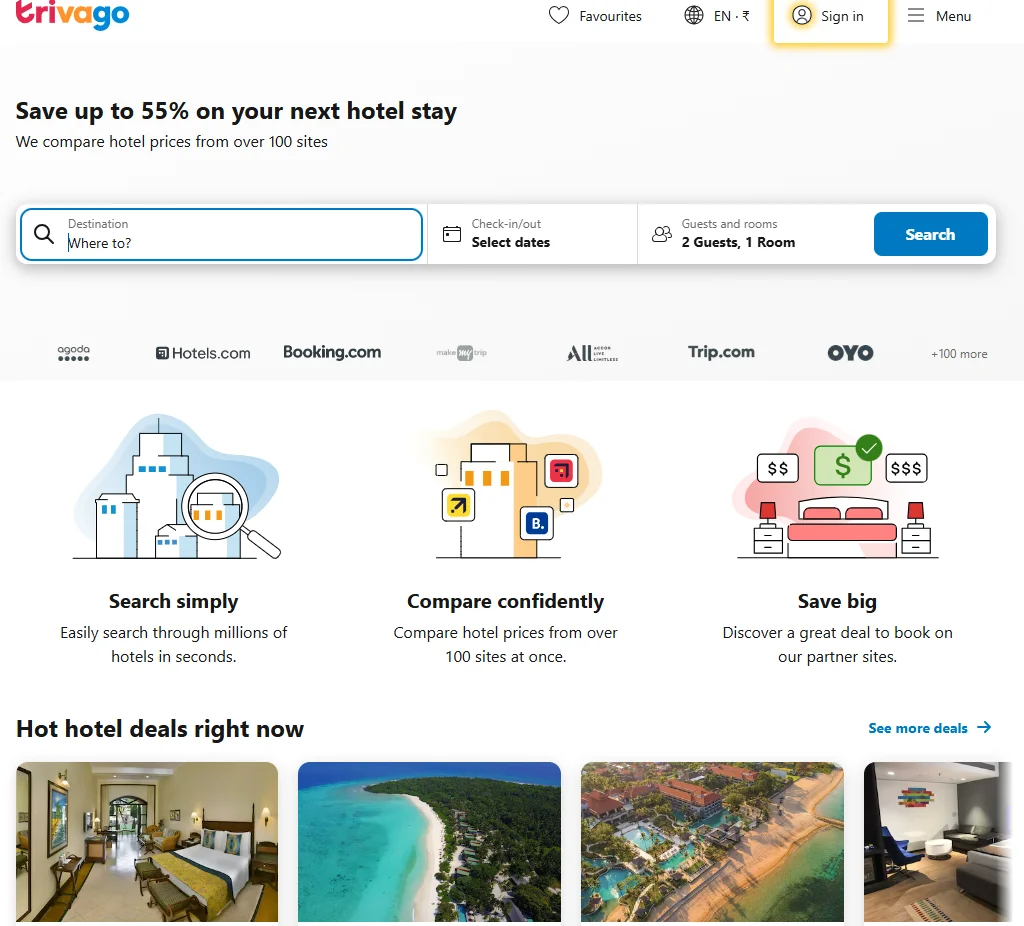
Trivago blends price comparison and review aggregation, showing summaries from Booking, Expedia, and TripAdvisor.
Why it works:
- One-stop shop for price + reputation overview
- Broad exposure for independent hotels
Weakness: You can’t control reviews directly; it pulls data from elsewhere.
10. Hotelbeds/Bedsonline
A hidden gem for B2B visibility. Hotelbeds connects hotels with global travel agents and tour operators.
Why it works:
- Trusted wholesale platform
- Verified partner network
- Great for increasing group or agency bookings
Weakness: doesn’t directly attract consumer reviews, and has more backend distribution.
11. Trustpilot

Trustpilot isn’t hotel-specific, but it helps independent hotels build credibility beyond OTAs. Especially useful if you rely on direct bookings.
Why it works:
- Universal brand trust signal
- High SEO value (reviews appear in search results)
Weakness: an open system means occasional spam or unfair reviews; moderation is key.
WiserReview – Best hotel review management software
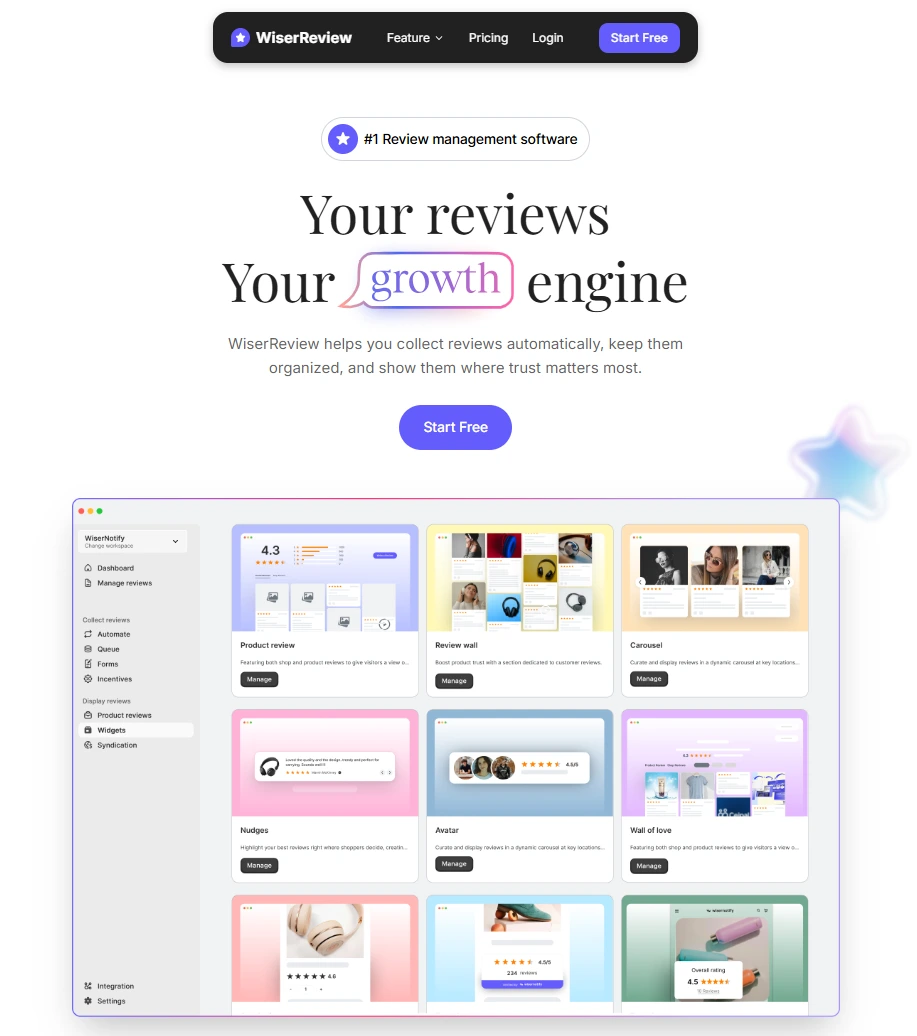
If reading all this made you think, “How on earth do I manage all those reviews?”, you’re not alone.
That’s where WiserReview comes in. It pulls in reviews from Google, Booking.com, TripAdvisor, and Facebook into one dashboard.
You can reply, analyze sentiment, and even receive alerts for negative feedback before it affects your rating.
How it helps hotels increase reviews:
- Sends automated follow-up emails after checkout
- Generates QR codes for easy guest feedback at reception
- Offers templates for faster replies
Wrap up
Travellers trust other travellers. The more visible, recent, and authentic your reviews, the higher your bookings climb.
Here’s your quick playbook:
- Claim your listings on Google, TripAdvisor, and Booking.com
- Use TrustYou or WiserReview to manage them smartly.
- Respond to every review, even the bad ones.
Your next five-star review might be one reply away.
Frequently asked questions
Google Reviews is the most trusted and widely used platform since it appears directly in Google Search and Google Maps results.
Hotels can collect guest feedback, respond to reviews promptly, and showcase top ratings on their website to build trust and attract new guests.
Most platforms like Google, Facebook, and TripAdvisor are free, while some sites offer paid plans for advanced management and visibility.
Hotels should monitor reviews daily or weekly. Quick, polite responses show professionalism and improve guest trust.
Yes. Fake or misleading reviews can lower ratings and harm credibility. Always report suspicious reviews and focus on collecting genuine guest feedback.

Krunal