5 min
5 min 
If your business collects, displays, or promotes customer reviews, then you’re already within FTC territory, whether you know it or not.
The FTC rules aren’t monitoring your rating; they are monitoring how you earn it. Violate them, and you face hefty fines and lawsuits.
It is also impossible to post false opinions, hide actual negative ones, and pay for the good ones. Honesty, transparency, and substantiation are required by the FTC for every review posted.
These FTC review guidelines will walk you through exactly what the FTC allows, what it bans, and how to stay compliant without compromising growth, all while building a review strategy that works.
The two FTC frameworks you must follow
The FTC doesn’t govern online reviews through a single document. It operates through two distinct frameworks, one that sets principles and one that enforces hard bans.
The 2023 FTC endorsement guides (principles-based)
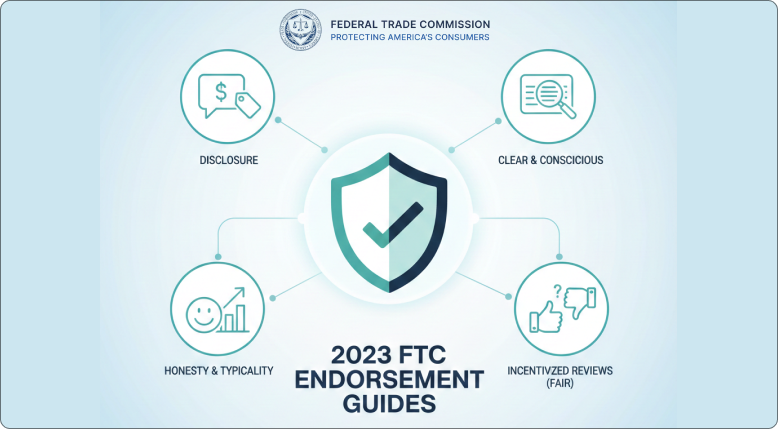
This framework offers broad, advisory guidance on how existing laws (like Section 5 of the FTC Act) apply to endorsements and testimonials, which prohibit unfair or deceptive advertising.
Core Purpose: To ensure that endorsements are honest and not misleading, and that consumers can differentiate between independent opinions and paid advertising.
Key principles:
Disclose Material Connections Clearly: if a reviewer got paid, a free product, or any other perk, you need to mention it, big and bold, not hidden away in a bunch of hashtags.
Clear and Conspicuous: disclosures have got to be unavoidable, simple, and easy to comprehend. For example, in a video, the disclosure should be right in the video itself (both on camera and in audio) and not just stuck in the description box.
Honesty and Typicality: endorsements have got to reflect the endorser’s genuine opinion and real experience. If an ad claims you’ll get some specific results (e.g. weight loss), they’ve got to be typical of what the average consumer can expect, or the ad needs to clearly state what typical results are.
Incentivized reviews are allowed, but not opinion-directed: You can offer a discount for a review, but you cannot offer it just for a positive review.
Breaking some of these ground rules might not get you in civil trouble on its own, but it can lead to some serious FTC heat and public scrutiny.
The 2024 FTC final rule on deceptive reviews (hard bans)
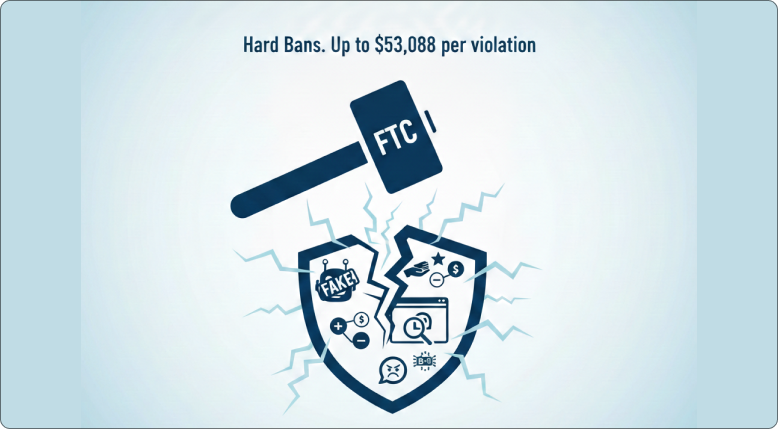
The FTC Rule on the Use of Consumer Reviews and Testimonials was finalized on August 14, 2024, and went into effect on October 21, 2024.
This rule goes beyond guidelines; violations of this Rule allow the FTC to seek immediate civil penalties of up to $51,744 per violation.
Core purpose: To ensure the FTC has unfettered powers to fine businesses that employ deceitful methods and end up misleading customers within the market.
Key Prohibitions (Hard Bans):
Fake Reviews: It’s against the law to create, buy, or sell reviews from people who don’t exist (or are just AI-generated), or from people who may have used a product but don’t really have an honest opinion.
Buying Positive/Negative Reviews: You can’t offer rewards or incentives for a review that has to say something specific, like only a positive review.
Insider Reviews: the boss can’t write a review for their own product without telling people it is one – and they can’t ask employees to leave reviews without clearly disclosing the connection.
Company-Controlled Review Sites: its against the law to create a review site that is pretending to be independent but is really just a marketing tool for your own products.
Review Suppression: you can’t use threats, intimidation, or other tactics to get rid of negative reviews.
Fake Social Media Indicators: The regulation prohibits the purchase or sale of fake followers, likes, or views (including those generated by bots) for commercial purposes.
In Dec 2025, the FTC sent out its first round of warning letters under this new rule – and its clear that the FTC is going to be coming down hard. The fine is now $53,088 a pop (inflation-adjusted for 2026) and they can also go after you for refunding consumers.
What’s allowed under FTC review guidelines
Compliance doesn’t mean fewer reviews. It means developing a review strategy that’s honest, transparent, and durable. Here’s what the FTC explicitly permits.
Genuine customer reviews
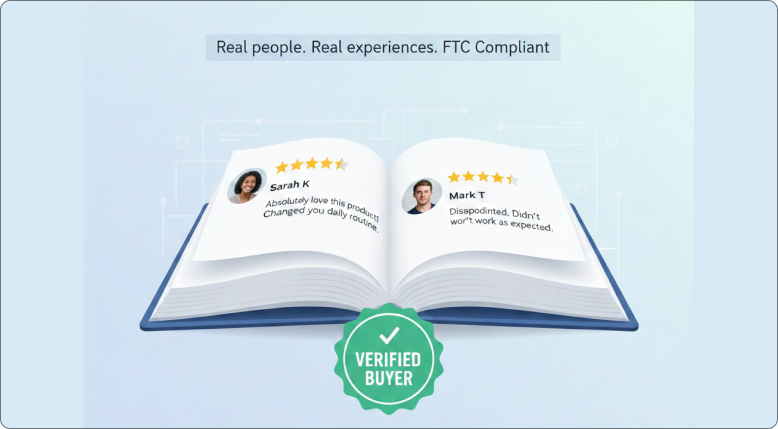
Reviews from real customers are not only permitted but also the whole point. A real customer leaving a real review, whether it’s a glowing five-star review or a disgruntled two-star review, is exactly what the FTC is trying to protect.
- Condition: The reviewer must be a real person, not AI-generated or non-existent. They have to have real experience with the actual product they are reviewing.
- Rule Reference: It is illegal to create, purchase, or sell reviews from people who do not exist or have not used the product.
Services such as WiserReview are based on the same concept: reviews are sent after actual purchases, ensuring the reviews you receive are authentic, on time, and grounded in real customer experiences.

All your reviews in one place
Collect reviews, manage every response, and display them where they matter most.
Start Free →Neutral incentives for reviews
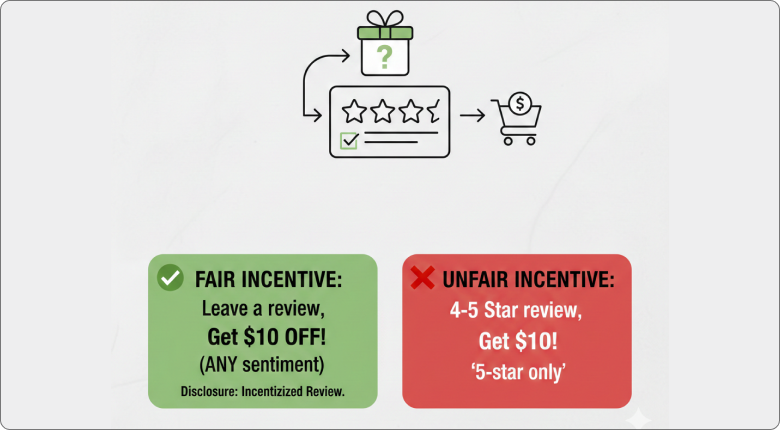
You can incentivize customers to leave reviews. The FTC permits this under one clear condition: the incentive must not be conditional on sentiment.
Its okay to offer a discount code to anyone who leaves a review – just dont limit it to people who give you a glowing review (e.g. “get $10 for a 5-star review”). Thats against the rules.
Disclosure: you have got to clearly state that the reviewer got an incentive (e.g. “incentivized review” or “got free product”).
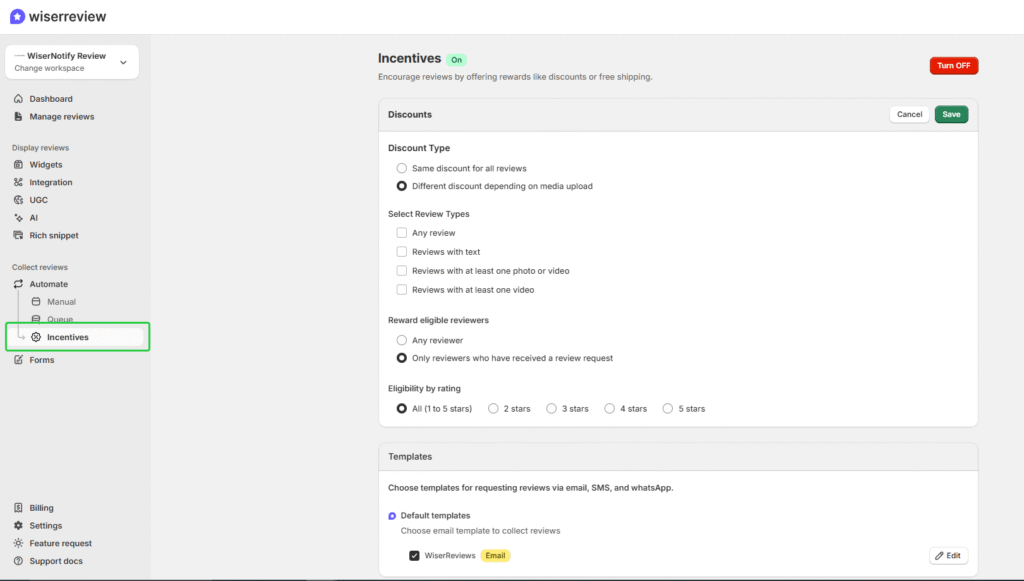
WiserReview gets this right by allowing you to offer incentives after the review is submitted, without linking them to star ratings, so your campaign stays compliant, and your review flow remains high.
Proper disclosure of material connections
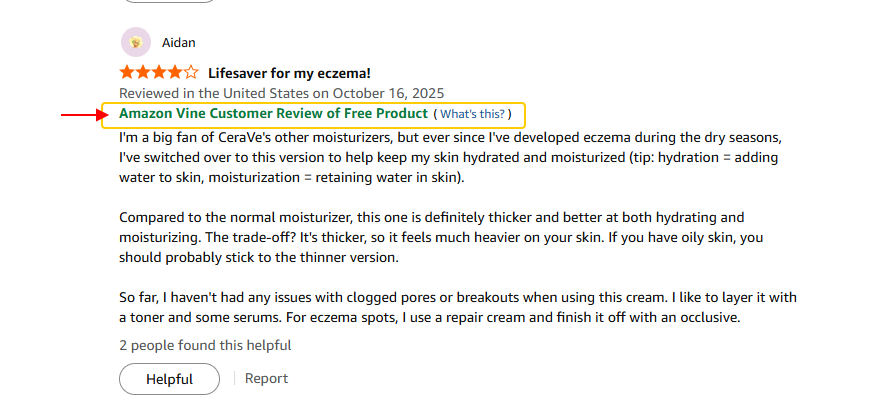
The FTC says that if there is a “material connection”, that is, if someone has a financial, personal or product-based relationship with a brand, you have got to disclose that. This applies to influencers, employees, and people who got paid or got free stuff in exchange for their review.
What good disclosure looks like: “I received this product for free in exchange for my honest review.”
Condition: The review must include a “clear and conspicuous” disclosure of the relationship (e.g., “Employee Review” or “I work for [Brand]”).
Disclosure must be clear, conspicuous, and hard to miss, not hidden in a footnote or buried in a hashtag cloud.
Fair review collection practices
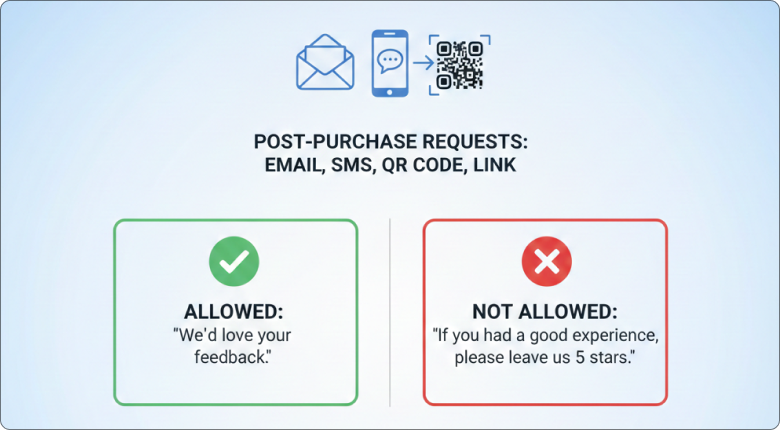
The FTC permits businesses to request reviews from customers who purchased a specific item via email, SMS, QR code, or link.
You cannot selectively solicit reviews only from customers you know are happy (known as “cherry-picking”) while ignoring those who might be dissatisfied, if it results in a misleading picture.
Sending a post-purchase message that says “We’d love your feedback” is allowed. Sending one that says “If you had a good experience, please leave us 5 stars” is not.
WiserReview automates review requests after purchases or service completions, using neutrally worded templates designed to collect authentic feedback and customizable to stay compliant.
Reasonable review moderation
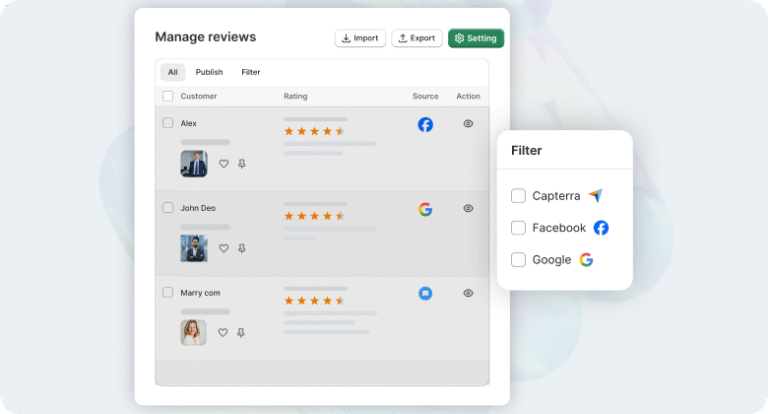
You can moderate and remove only those reviews that violate legitimate content policies, and not a negative, genuine customer review
Allowed: Removing reviews that contain:
- Trade secrets or confidential information.
- Defamatory, harassing, abusive, obscene, or sexually explicit content.
- Discriminatory content (hate speech).
- Clearly false or misleading content (e.g., “This pizza place sold me a used car”).
- Personal information or likenesses of others without permission.
You cannot remove a review simply because it is negative or complains about the product. If you remove all 1- and 2-star reviews while keeping 4- and 5-star reviews, you’re misrepresenting your overall reputation, which’s a direct violation.
WiserReview’s AI-powered moderation flags low-quality and suspicious reviews for review, without auto-suppressing negative ones based on rating alone.
All your reviews in one place
Collect reviews, manage every response, and display them where they matter most.
Start Free →What’s banned – FTC practices that trigger penalties
As of 2026, the maximum civil penalty for these violations is $53,088 per violation, adjusted for inflation. In December 2025, the FTC issued its first wave of warning letters to 10 companies, signaling active enforcement of these bans.
Fake reviews and testimonials
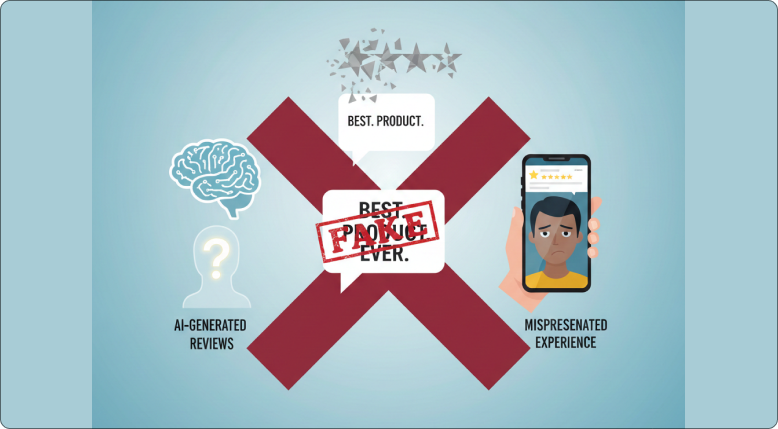
Businesses are strictly prohibited from writing, creating, selling, or purchasing reviews or testimonials that misrepresent whether the reviewer is a real person, has used the product or services.
This explicitly includes;
- AI-Generated Reviews: These include reviews created by generative AI for people who do not exist or did not use the product.
- Misrepresented Experience: Reviews from real people that lie about using a product or misrepresent their actual experience are also banned.
Buying or selling reviews
You cannot pay someone to write a review that expresses a specific sentiment. This applies to businesses that pay for positive reviews and to competitors that pay for negative ones.
- Sentiment Conditioning: You cannot offer a discount, gift card, or payment in exchange for a “5-star review” or a “positive review”.
- Competitor-Targeted Reviews: Purchasing negative reviews to damage a competitor’s reputation isa primary violation.
Undisclosed insider reviews
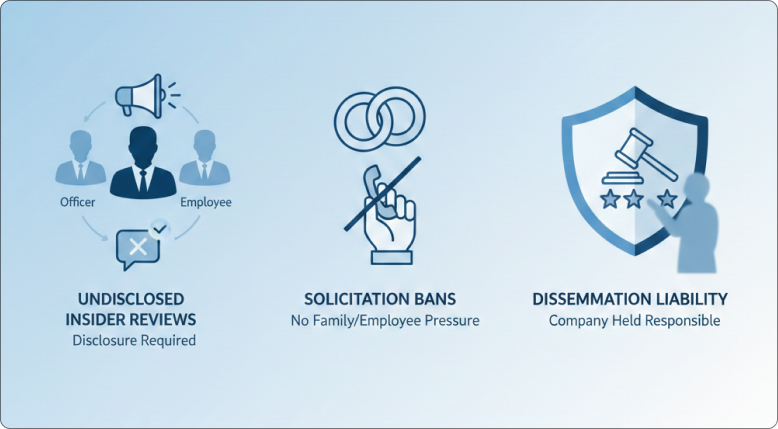
Officers, managers, employees, and agents may not post reviews of their own company’s products without clearly disclosing their relationship to the company.
- Solicitation Bans: Company leaders may not solicit reviews from immediate relatives or employees unless instructed to include the necessary disclosures.
- Dissemination Liability: A business can be held liable for sharing an insider’s testimonial if it should have known about the undisclosed relationship.
Review suppression and manipulation
The FTC prohibits actions that mislead consumers about what customers actually think. It includes;
- Review Gating: Selectively publishing only positive reviews while deleting or hiding negative ones is a “hard ban” violation.
- Coercive Tactics: Using “unfounded or groundless” legal threats, physical threats, or intimidation to force the removal of a negative review is strictly prohibited.
Misleading review displays and rankings
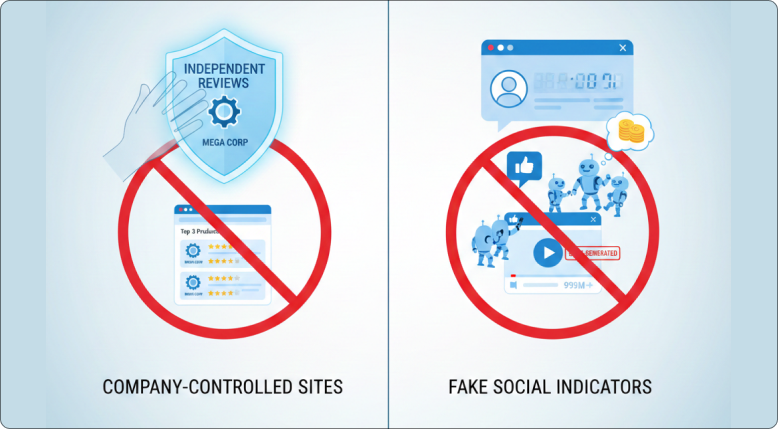
Businesses cannot create or control a website that purports to be an independent review source while promoting their own products. This includes;
- Company-Controlled Sites: Operating a review or ranking website that claims to be “independent” but is actually owned or controlled by the business being reviewed is illegal.
- Fake Social Indicators: Buying or selling fake “social proof”, such as bot-generated followers, likes, views, or shares, to misrepresent commercial influence is a penalized offense.
This extends to the manipulation of social media influence indicators: fake followers, purchased likes, and boosted engagement numbers are prohibited under the 2024 rule.
All your reviews in one place
Collect reviews, manage every response, and display them where they matter most.
Start Free →Wrap up
The FTC guidelines shield consumers from deceptive, hidden, and manipulated reviews. They encourage businesses to gain trust through authentic experiences, not shortcuts.
By adhering to these guidelines, you minimize potential legal issues and establish a more reputable brand. Authentic review practices establish long-term credibility, which cannot be replicated by paid tricks.
WiserReview helps you gather authentic reviews, identify incentives, and review comments without suppressing negative reviews.
It offers a compliant system that supports growth while being in line with FTC guidelines.
Frequently asked questions
Yes. You must clearly disclose any free product, discount, payment, or benefit in or near the review.
No. Employees can post reviews, but they must clearly disclose their relationship to the company.
Yes. You can remove fake, spam, or policy-breaking reviews. You cannot remove real negative reviews just because they are low-rated.
You may face fines of up to $53,088 per violation, court orders, and possible refunds to consumers. Enforcement is already active.

Krunal