5 min
5 min 
Customer reviews help to make a massive difference in people’s purchase decisions. They constantly check them before they buy, and one rating can shape trust in seconds.
Many people use Trustpilot reviews to check a business’s reliability, but the platform often leaves them with mixed feelings.
These mixed results confuse people about the platform’s authenticity. This, in turn, has left the shoppers and business owners questioning what they view.
Below is a simplified guide that clears the confusion. You’ll learn how Trustpilot works, what’s real, what’s not, and how to judge reviews confidently.
Quick answer
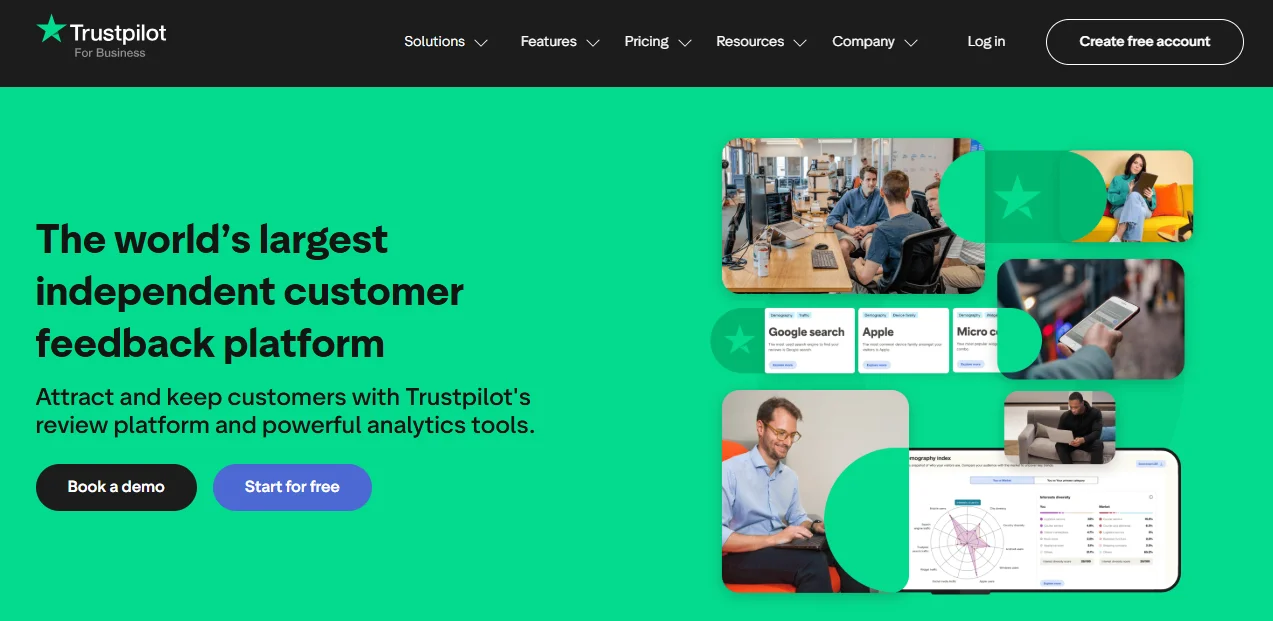
Trustpilot is indeed a reputable and publicly traded review platform. The company operates within the law and uses AI-powered fraud detection for its platform integrity.
However, legitimacy doesn’t equal perfection; fake reviews, paid features, and moderation challenges affect any large review platform, which is why some businesses also explore a Trustpilot alternative.
The platform is an honest company that uses fraud detection and has a content integrity team, but there are concerns about how its business model may influence review outcomes.
How the platform works behind the scenes
Trustpilot operates a two-pronged system combining automated fraud detection technology with a human Content Integrity Team.
Here is a breakdown of how the platform works behind the scenes:
For Consumers (Reviewers)
- Writing a Review: Consumers can write a review about any business with whom they’ve had a genuine experience, at any time, for free.
- Ownership and Control: Reviewers own their content and can edit or permanently delete their reviews. Trustpilot moves reviews offline rather than deleting them.
- Anonymity: Reviewers can use a username instead of their real name to protect their privacy, so businesses may not always recognize them.
For Businesses
- Free Access: Any business can claim its profile for free. This allows them to respond publicly to reviews and send limited automated review invitations each month.
- Paid Subscriptions: Businesses can pay for a subscription to access advanced tools, such as automating large-scale review invitations, licensing the Trustpilot star ratings and TrustScore for marketing materials, and accessing detailed analytics and insights.
- No Removal of Negative Reviews: Businesses cannot pay to remove negative reviews or buy a higher score. They can, however, flag reviews they believe violate the platform’s business guidelines.
How verified vs unverified reviews work
Not all Trustpilot reviews carry the same weight:
Verified Reviews
A review becomes verified when Trustpilot can confirm the reviewer had a real interaction with the business. This happens through;
- Automatic invites,
- Manual customer uploads
- Proof provided during an investigation
Because the transaction is confirmed, verified reviews carry higher trust and reduce the risk of fake feedback.
Unverified Reviews
Unverified reviews are written directly by users without an invite from the business. There is no automatic link to a purchase, so these reviews can be easier to manipulate.
Still, many are honest experiences; they just haven’t gone through a verification step.
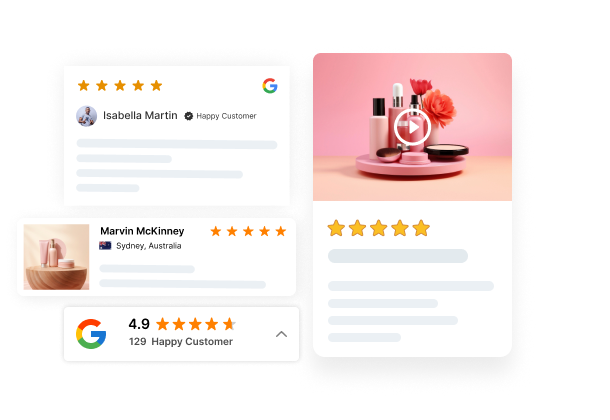
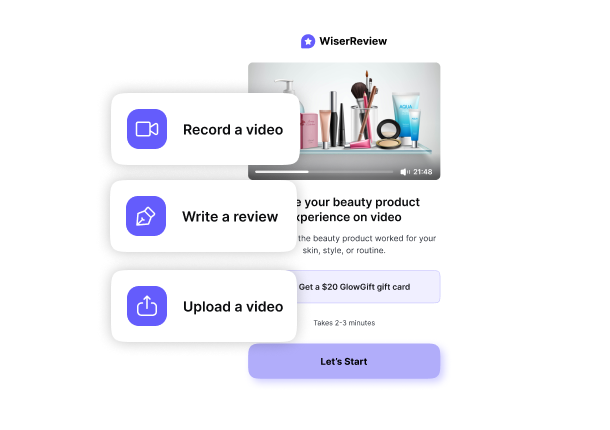
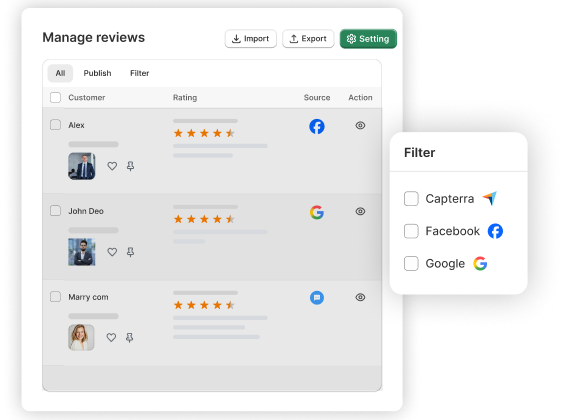
All your reviews in one place
Collect reviews, manage every response, and display them where they matter most.
How Trustpilot’s review system operates
Understanding how reviews work helps you spot red flags and make better decisions.
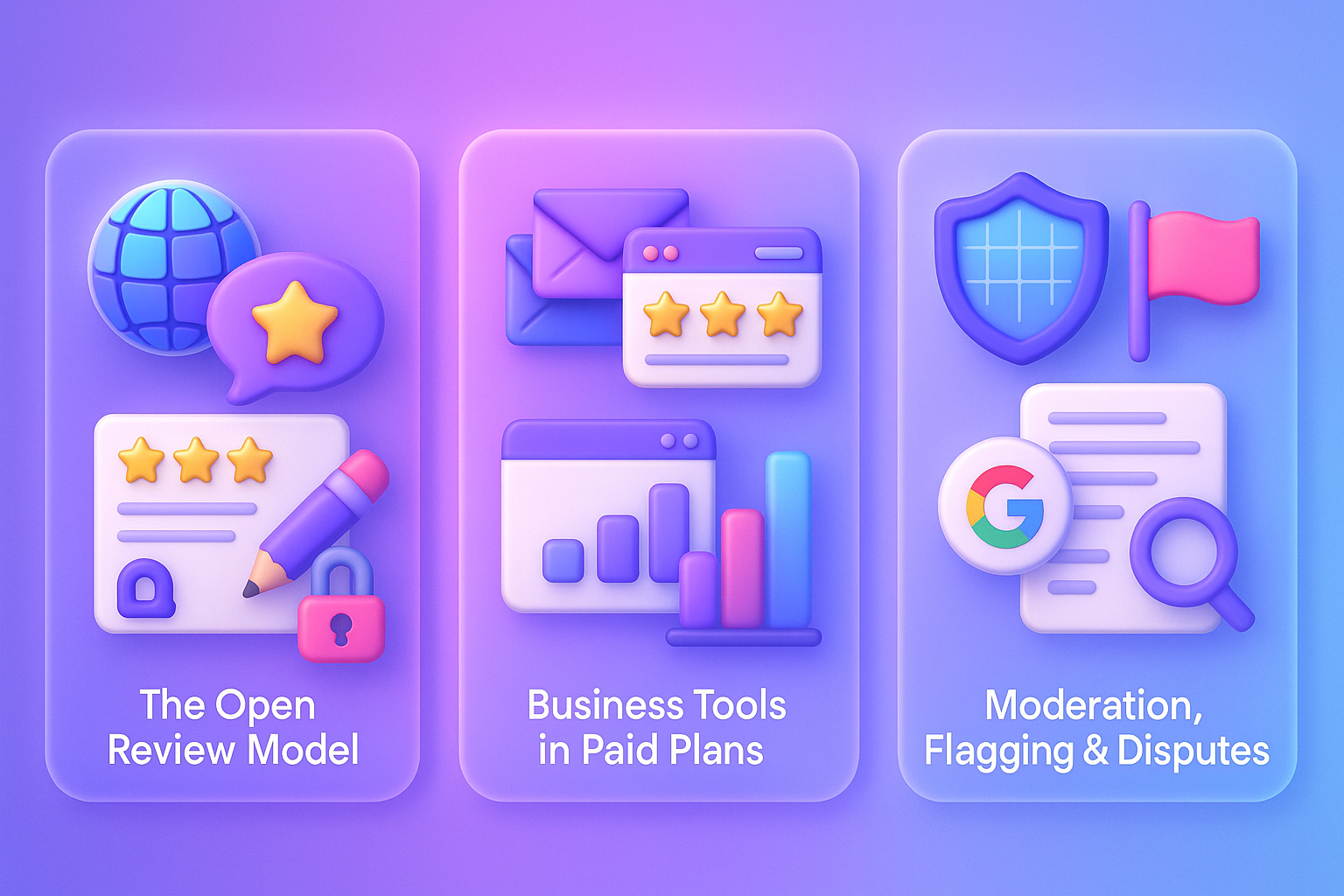
The open review model
Trustpilot runs an open platform, which means anyone can leave a review – not just businesses that have paid for a subscription.
- Universal Access: Customers who’ve had a genuine experience with a business can write a review, whether or not the business uses its paid services.
- Voluntary Participation: Reviews can be written on the consumer’s own initiative (“organic”) or in response to a business invitation.
- Transparency: Trustpilot doesn’t hide reviews, and businesses can’t stop them from appearing on their profile.
- Review Ownership: The reviewer owns the content of their review and can edit or permanently delete it from the platform at any time.
The business tools that come with paid plans
A free plan is a great start for businesses to claim their profile, get a feel for the platform, and respond to a few reviews. Paid plans will unlock a whole bunch of features that’ll really help businesses get on top of their online reputation.
- Advanced Review Collection: Paid plans let you automate your review invitations with tools like AFS or API integrations, so you can send out many more than you could on the free plan.
- Marketing Assets: You can showcase your Trustpilot ratings and reviews on your website with custom widgets and branded visuals to really make your business stand out.
- Data and Analytics: The more you pay, the more insight you get, including summaries, themes, competitor comparisons, and even custom reports – which can be really useful if you know how to use them.
- Google Seller Ratings: Getting paid, or signing up for an add-on, will let you show those star ratings in Google search results and ads, which is a big deal for a lot of businesses
Moderation, flagging & disputes
Trustpilot combines automated checks with human review to keep the platform fair for all. Every review is scanned for fraud, and anybody may flag any review that seems harmful or not based on an authentic experience.
Flagged reviews are forwarded to the Content Integrity Team for investigation. The team may at times ask the reviewer for proof. Either party may request a review.
Reviews that break the rules get taken offline, but not deleted. Trustpilot also posts public warnings for businesses that try to game the system or unfairly remove genuine negative reviews.
Common complaints & controversies
Despite being a major platform, Trustpilot has faced its share of controversies and recurring complaints from both consumers and businesses.
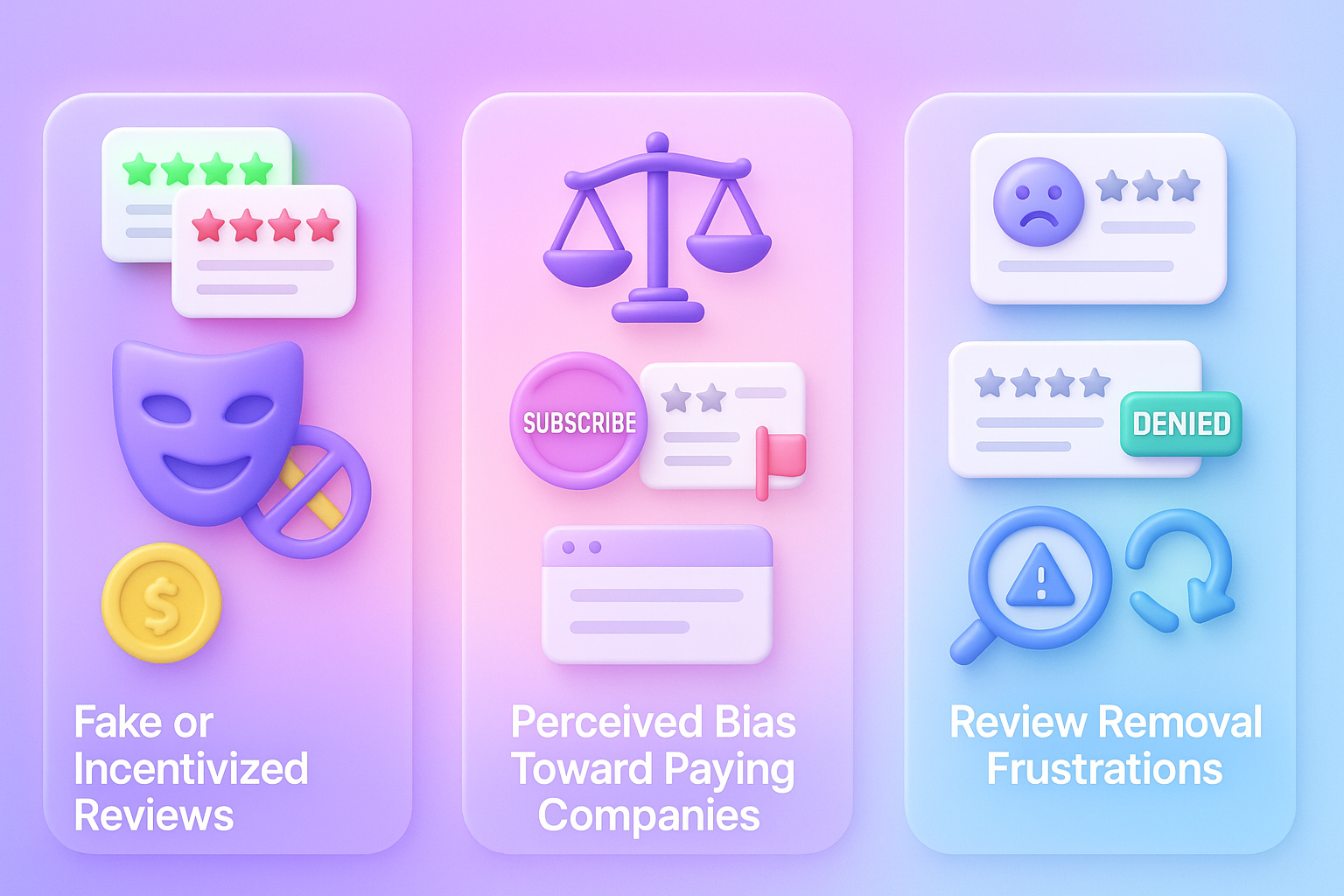
Fake or incentivized reviews
Trustpilot’s open system is too easy for fake reviews to slip in, whether they’re coming from a business looking for a glowing review or a competitor trying to trash someone with a negative one.
- The Issue: Critics say it’s easy to post fake positive or negative reviews.
- Incentivization Concerns: Trustpilot bans rewards, but heavy review requests can still raise scores.
- Trustpilot’s Defense: They use strong detection tools and a human team to remove fake reviews.
Perceived bias toward paying companies
A frequent and significant criticism revolves around the conflict of interest inherent in the “freemium” business model.
The Issue: Some users believe that paying businesses get negative reviews removed more easily, creating a “pay-to-play” concern.
Trustpilot’s Defense: Trustpilot denies this and says all reviews follow the same rules. They point to transparency reports to show equal treatment.
Review removal frustrations
The process of flagging and removing reviews is a significant source of frustration for users on both sides of the transaction.
Consumers: Many who leave authentic negative reviews complain that the business unfairly flags their reviews and then Trustpilot’s team removes them.
For Businesses: Businesses often become frustrated that Trustpilot isn’t doing enough to identify and remove negative reviews that clearly are fake, harmful, or competitor-driven, so they end up having to stay on top of it all themselves.
As a consumer, should you trust Trustpilot ratings?
You should read Trustpilot ratings with caution. It is better to look at patterns rather than trust every single review.
Trustpilot is useful, but don’t rely on it as the only thing you use to make a decision – use it as one part of your overall research.
Best Practices for Using Trustpilot:
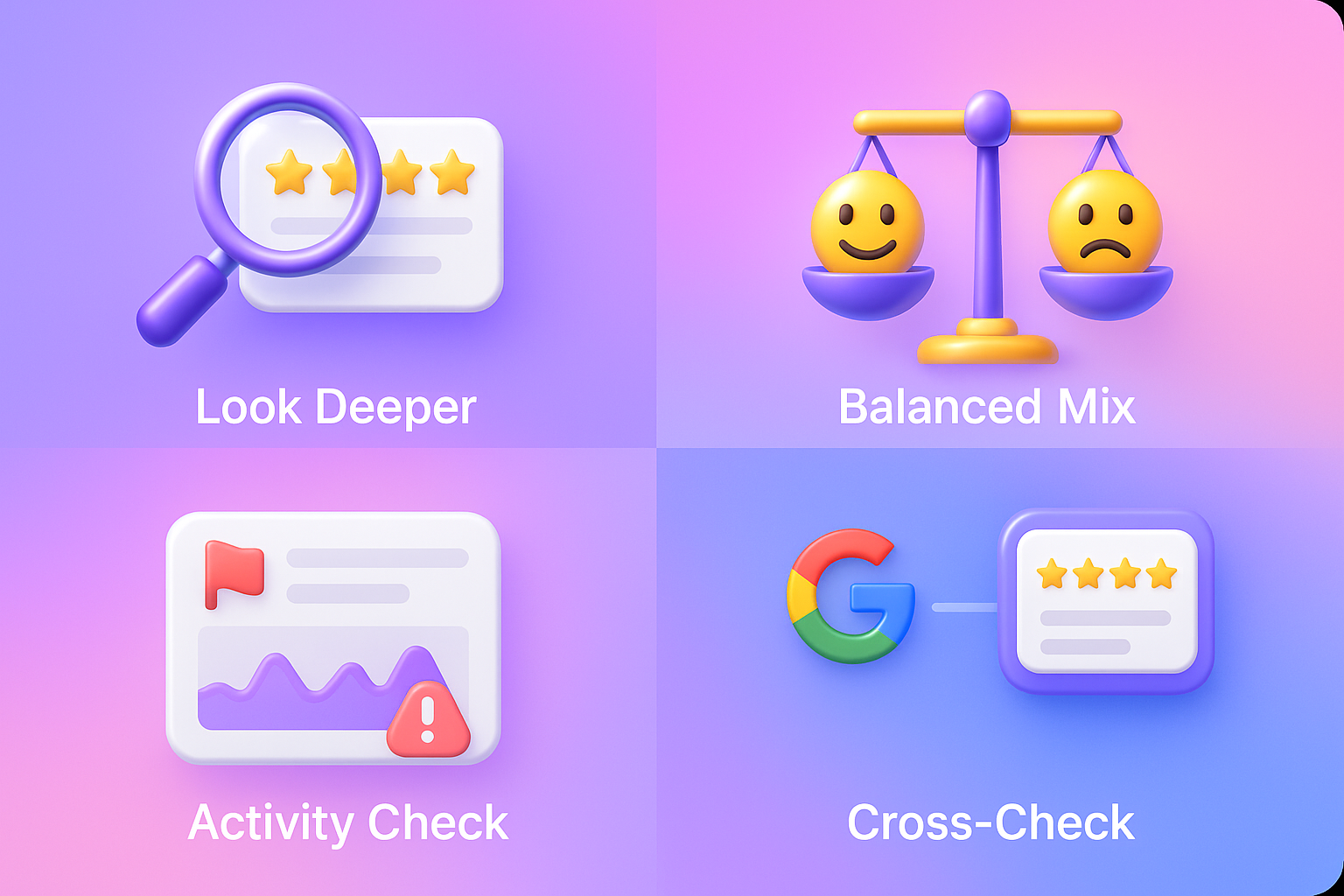
- Read the reviews, don’t just check the stars: Don’t just look at the rating – make sure to read the actual reviews and look for specific stories.
- Look for a balance of positive and negative: If every single review is glowing, and there’s not a single negative one, that might be a red flag for fake reviews.
- Check the “Company Activity” section: See how many reviews the business has been trying to get rid of – if it’s a lot, that might suggest they’re trying to hide something.
- Cross-reference: Check ratings on other independent platforms, such as the Better Business Bureau, Google Reviews, or niche-specific sites, to get a fuller picture.
As a business, is Trustpilot worth it?
Trustpilot can be a pretty useful tool for a business looking to build credibility and get more conversions, but it’s all about your specific needs and budget – it’s not a one-size-fits-all solution.
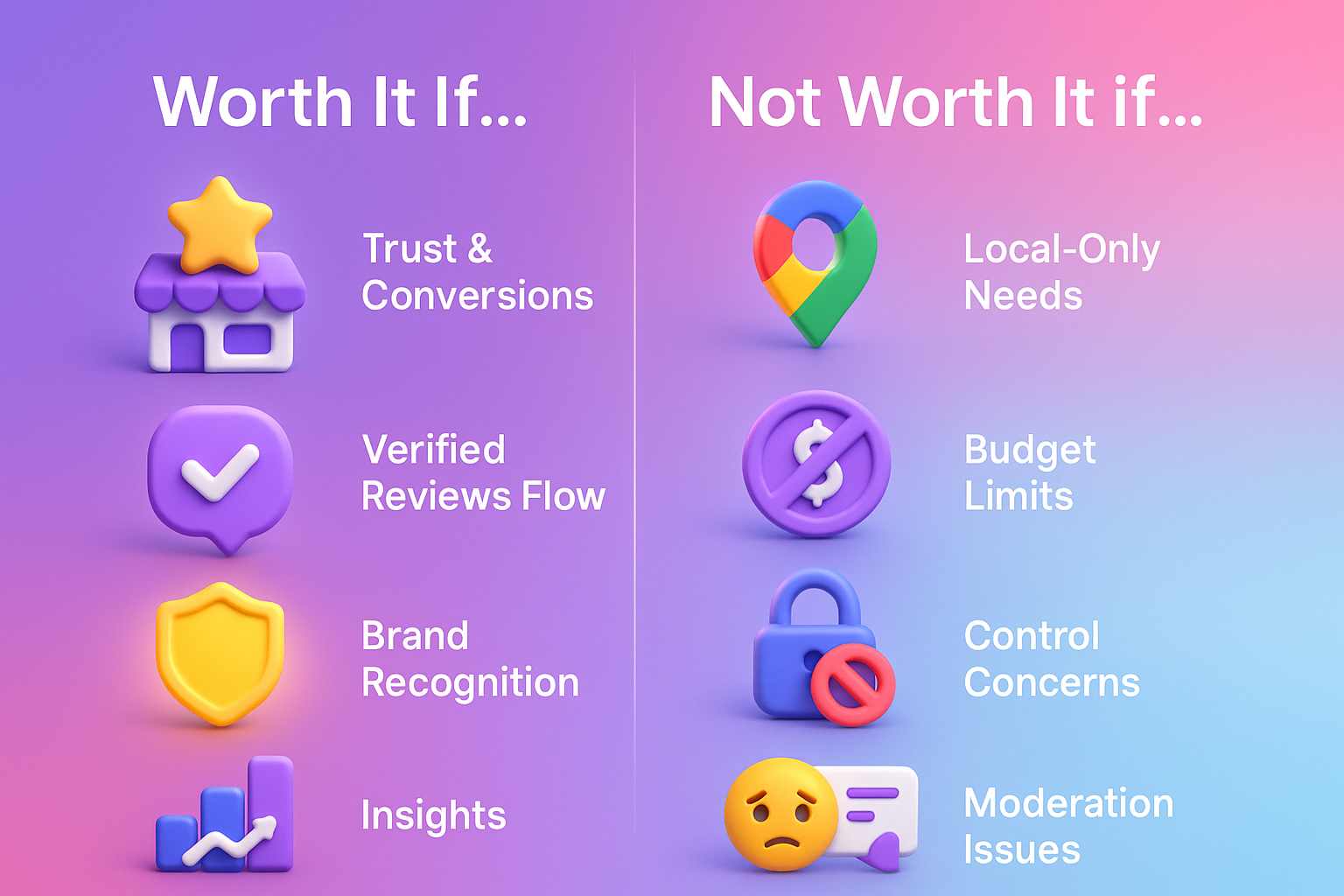
Potential Benefits: Worth it if…
- You want strong social proof that builds trust and drives conversions.
- You need a steady stream of verified reviews via automated invites.
- You prefer a known review badge that shoppers recognize.
- You want insights from customer feedback to fix weak areas.
- You have the budget, since paid plans can be costly.
Potential Drawbacks: Not worth it if…
- You focus on local search where Google Reviews matter more.
- The price is too high, and the free plan feels too limited.
- You want complete control of your reviews, which Trustpilot does not give.
- You expect perfect moderation and quick removal of fake reviews.
Red flags to watch for on any Trustpilot profile
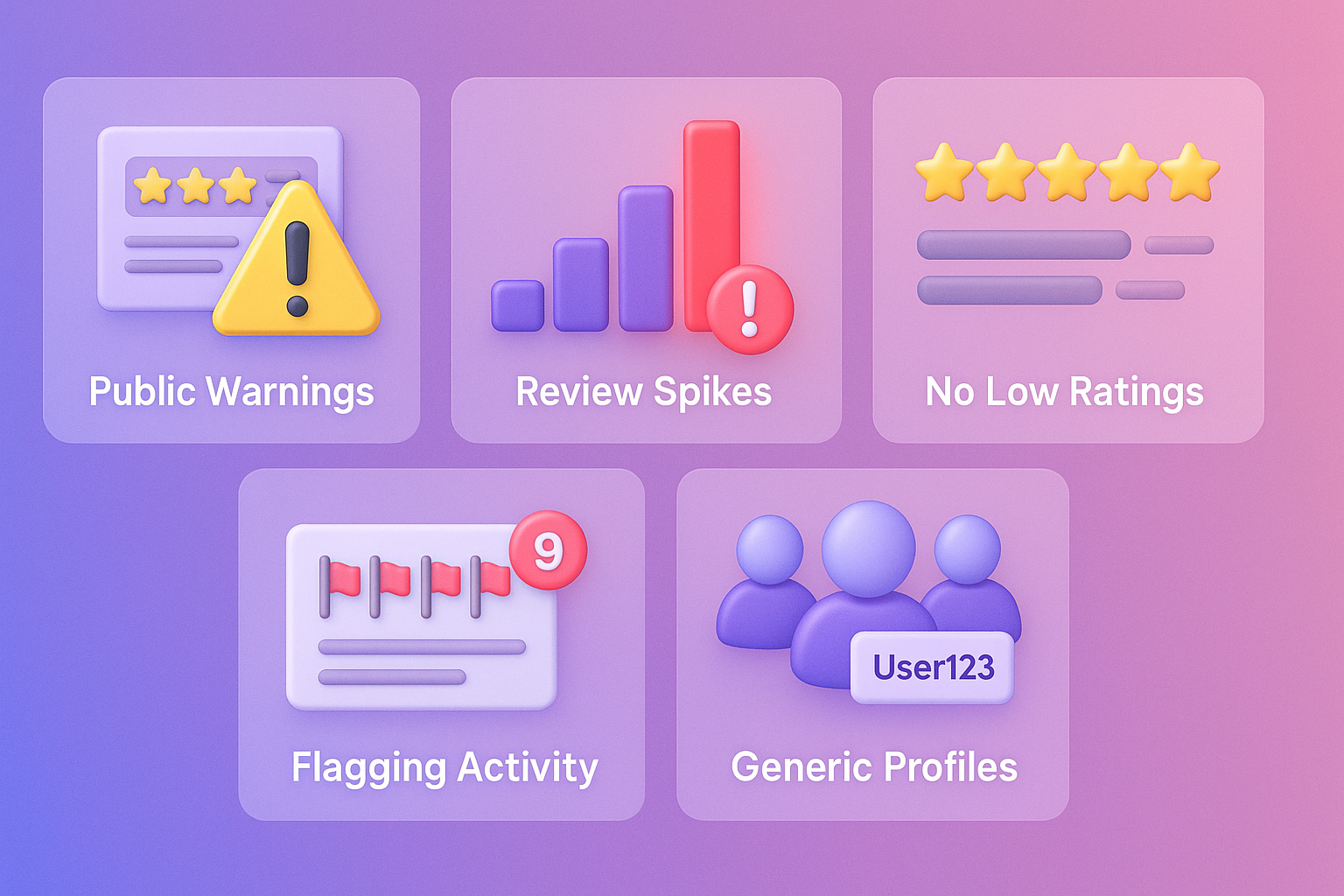
When examining a Trustpilot profile, several red flags can indicate potential review manipulation, either by the business itself or by competitors.
- Public Consumer Warnings: The most obvious red flag is a large, official banner placed by Trustpilot across the profile page indicating detected “misuse of the platform.”
- Unnatural Review Sprints: Keep an eye out for sudden spikes in reviews that appear to come from the same place at the same time – that’s a sign of bulk manipulation.
- Missing Lower Ratings: If a business has a perfect 5-star rating and zero lower ratings, that’s suspicious – genuine businesses usually have some complaints now and then.
- High “Flagging” Activity: Check out the business’s transparency data page to see if they’re flagging an unusually high number of negative reviews for removal – that might not be a good sign.
- Generic Reviewer Names/Photos: Go through recent reviewers and look for a bunch of generic names or profiles without pictures – that’s a sign of fake accounts or bulk reviews.

All your reviews in one place
Collect reviews, manage every response, and display them where they matter most.
Start Free →Wrap up
Trustpilot is a helpful resource for understanding how a business treats its customers, but it works best when you read reviews with context. No platform is perfect, and every rating needs careful judgment.
The system is real and helpful, yet it has limits, mixed incentives, and room for mistakes. When you compare patterns across different platforms, you get a far clearer picture of any business.
If you want more control, better insights, and faster review growth for your store, WiserReview offers a stronger, more flexible setup. You get verified reviews, multi-channel reach, and tools built to grow trust on your own terms.
Frequently asked questions
Yes, mostly. Verified reviews are more reliable, but always check patterns and compare with other platforms.
Reviews go through automated fraud checks, and suspicious ones are removed.
No. They can only flag reviews that break rules. Genuine negative reviews stay up.
Verified reviews link to a real transaction. Unverified reviews don’t, but many are still genuine.

Krunal