5 min
5 min 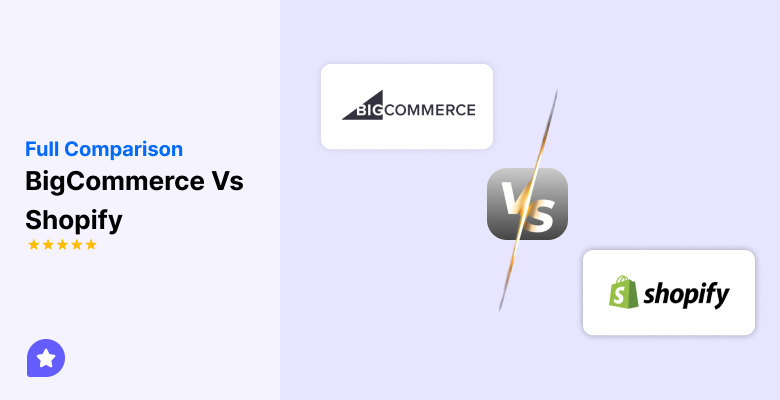
Choosing between BigCommerce and Shopify is a common dilemma for anyone planning to launch or scale an e-commerce business. With so many options available, it’s essential to understand the strengths and weaknesses of the leading platforms.
Shopify leads the e-commerce market with around 25-30% of the SaaS e-commerce share. BigCommerce has a smaller portion, with about 3-5% of market share.
In 2026, there are about 5.8 million Shopify stores worldwide, but BigCommerce has only 41,221 active storefronts.
While both platforms aim to simplify e-commerce, they differ in usability, features, and pricing. Both platforms handle essential tasks such as product management, themes, SEO, and integrations.
In this blog, we’ll explore how BigCommerce and Shopify compare across different aspects so you can decide which suits your business best.
Quick comparison
Choosing between these two platforms often depends on whether you want ”easy apps” or “strong built-in features.”
| Feature | Shopify | BigCommerce |
|---|---|---|
| Best for | Beginners & Fast-scaling Brands | Complex catalogs & B2B |
| Ease of use | Extremely high (Intuitive) | Moderate (Technical Learning Curve) |
| Transaction Fees | 0.5 – 2% (unless using Shopify Payments) | 0% (on all plans) |
| App Ecosystem | 8,000+ apps | 1,00+ apps |
| SEO | Good, need apps for some features | Excellent (Advanced & Built-in) |
| B2B Features | Available on Shopify Plus | Native on most plans |
| Dropshipping | Strong support via 500+ third-party apps | Robust support through its extensive app market and easy integration with third-party apps |
Features comparison
When comparing BigCommerce vs Shopify, features play a big role. While both platforms cover core e-commerce needs, their approach differs significantly.
1. Usability & setup
Both platforms aim to simplify store creation, but they cater to different user comfort levels.
Shopify:
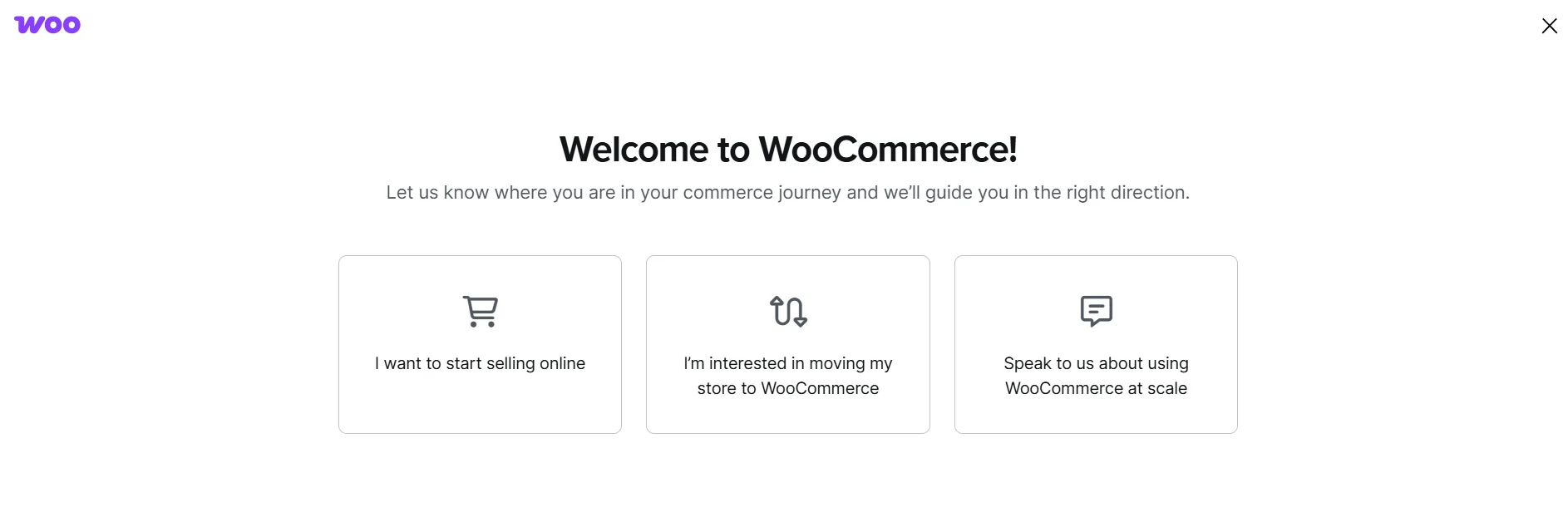
- Onboarding: Uses a visual, step-by-step checklist that makes launching a store feel like setting up a social media profile.
- AI Support: Features “Shopify Magic,” which helps generate product copy and blog posts instantly.
- Mobile App: Offers a top-tier mobile application that allows you to manage orders and chat with customers from anywhere.
BigCommerce:
- Onboarding: Offers a detailed technical tour that highlights advanced settings for shipping, tax, and inventory management.
- Setup Flexibility: Allows for more technical “Pre-Launch” configurations, such as custom URL structures.
- Multi-Storefront: Enables you to launch several stores from a single login right from the start.
- Search Functionality: Includes a native search engine that helps customers find complex products easily.
2. Built-in vs app ecosystem
The choice between built-in tools and apps affects functionality and flexibility.
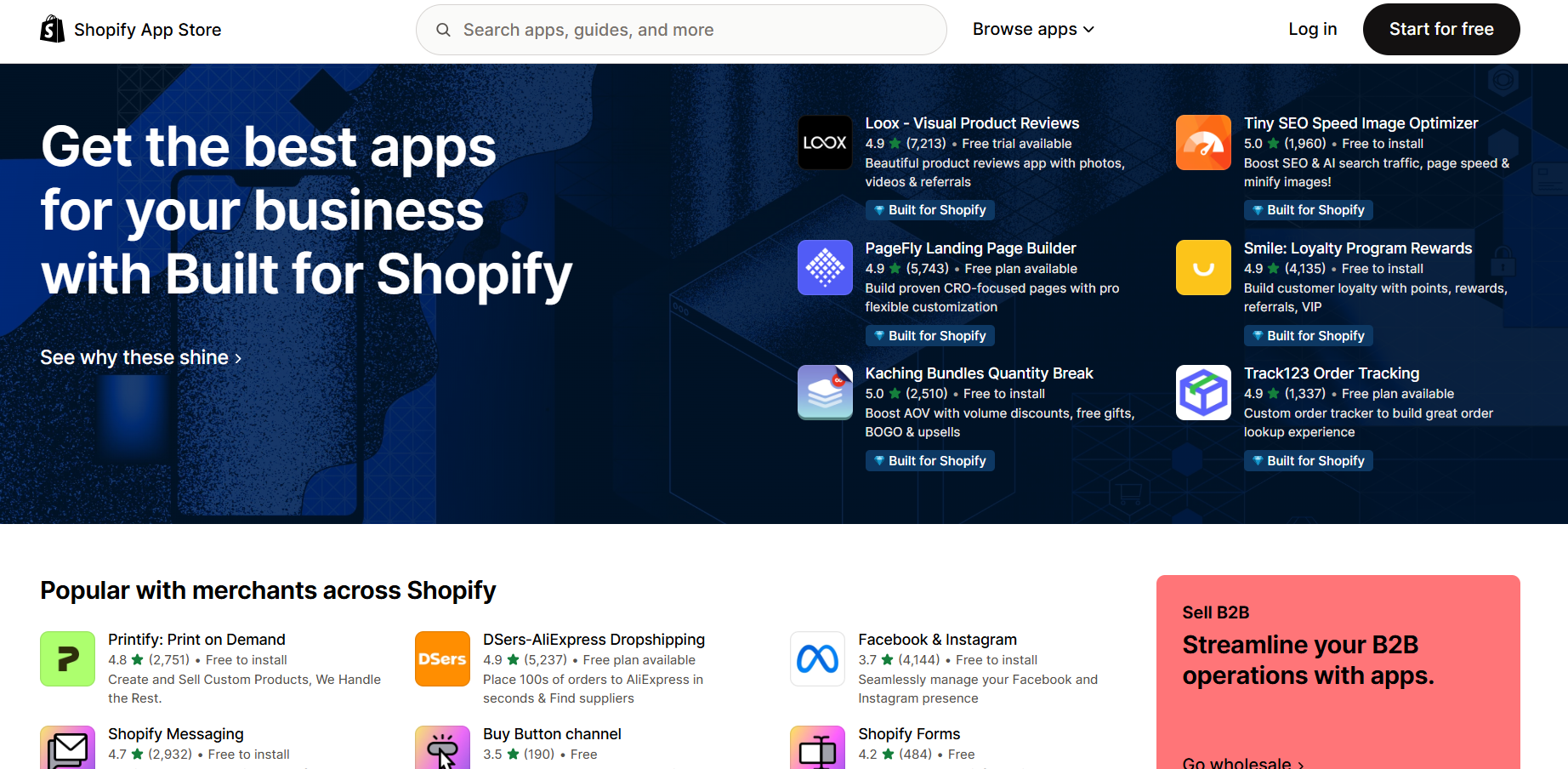
- Shopify: The core platform is simple; you add specific features (such as advanced reviews or loyalty programs) via 8000+ third-party apps.
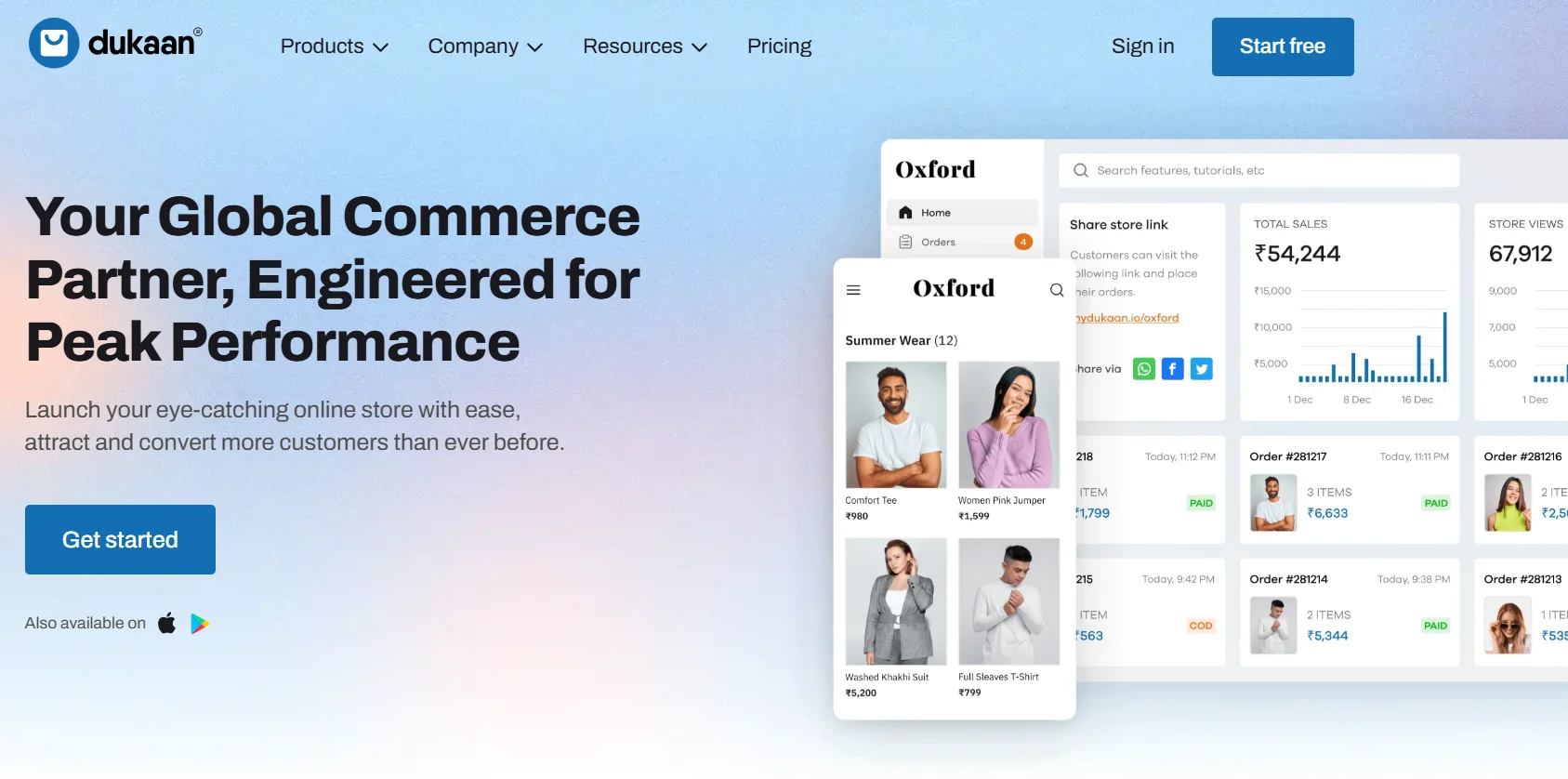
- BigCommerce: Includes advanced features like product ratings, real-time shipping quotes, and multi-currency support as standard, saving your monthly app subscription costs.
3. Templates, themes, and design
Appearance impacts conversion and brand perception.

- Shopify: Offers over 200 mobile-responsive themes; even the free version looks premium and is highly customizable.
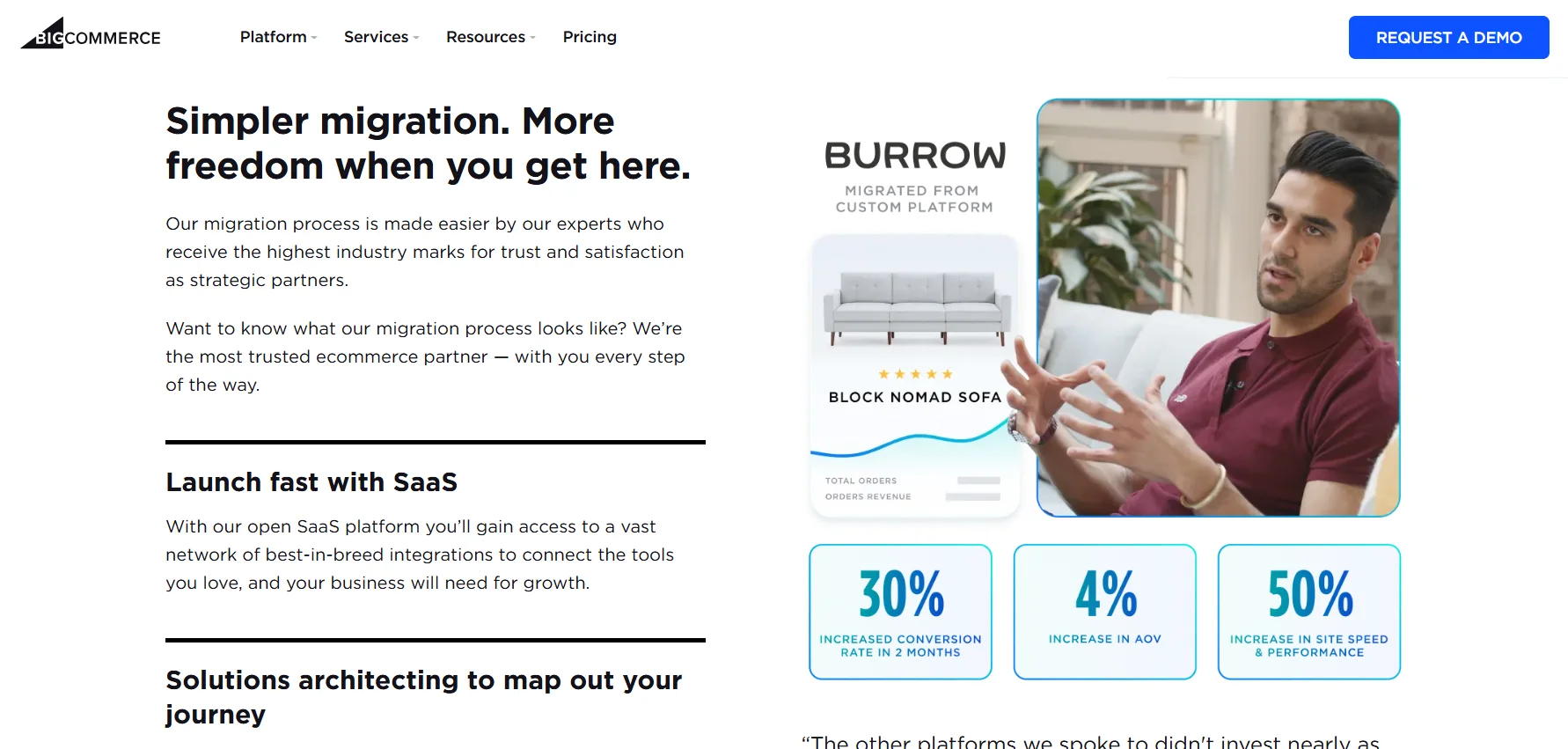
- BigCommerce: Provides nearly 200 themes, but fewer free options are available compared to Shopify’s high-quality free catalog.
4. Payment, checkout, and conversion
Payment flexibility can influence customer satisfaction.
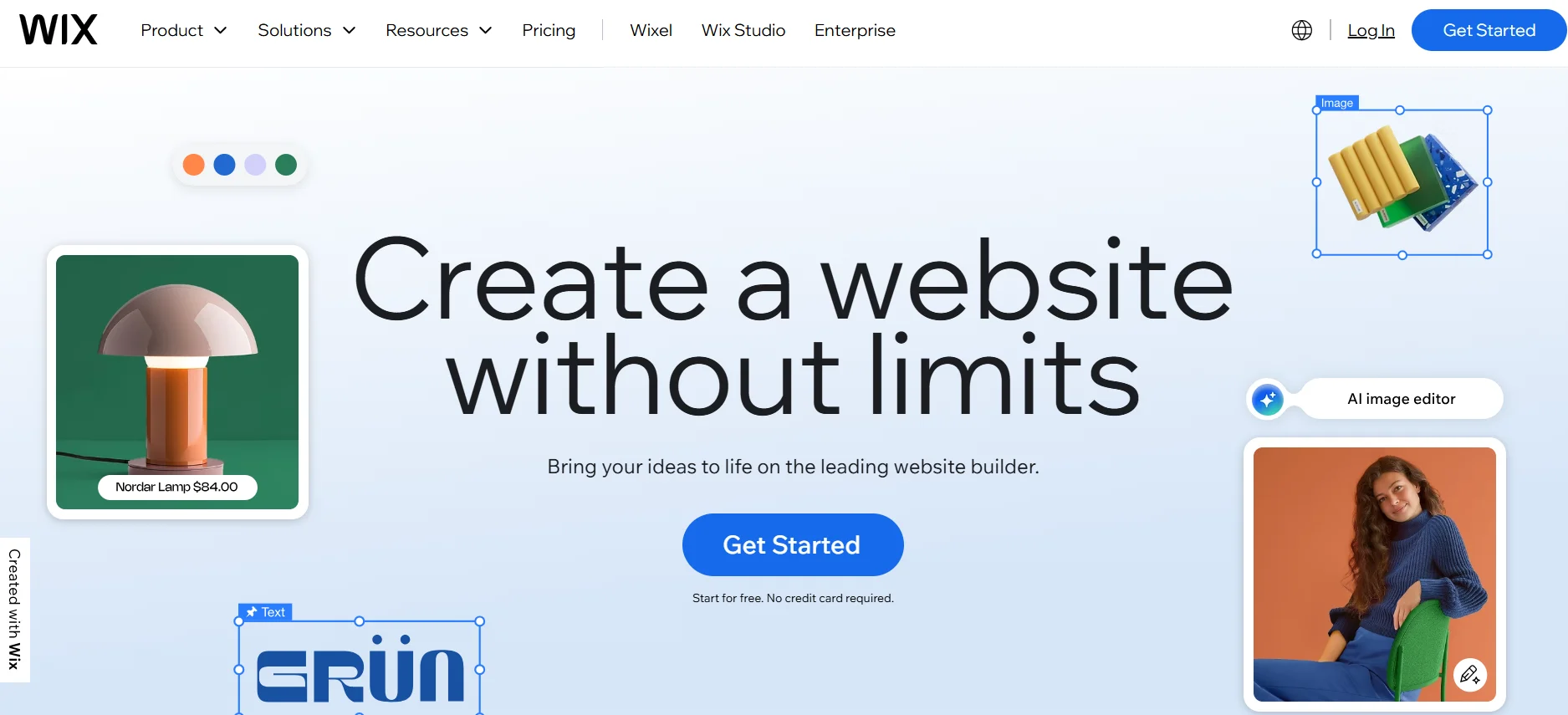
- Shopify: If you don’t use Shopify Payments, you are charged an extra transaction fee (0.5 to 2%).
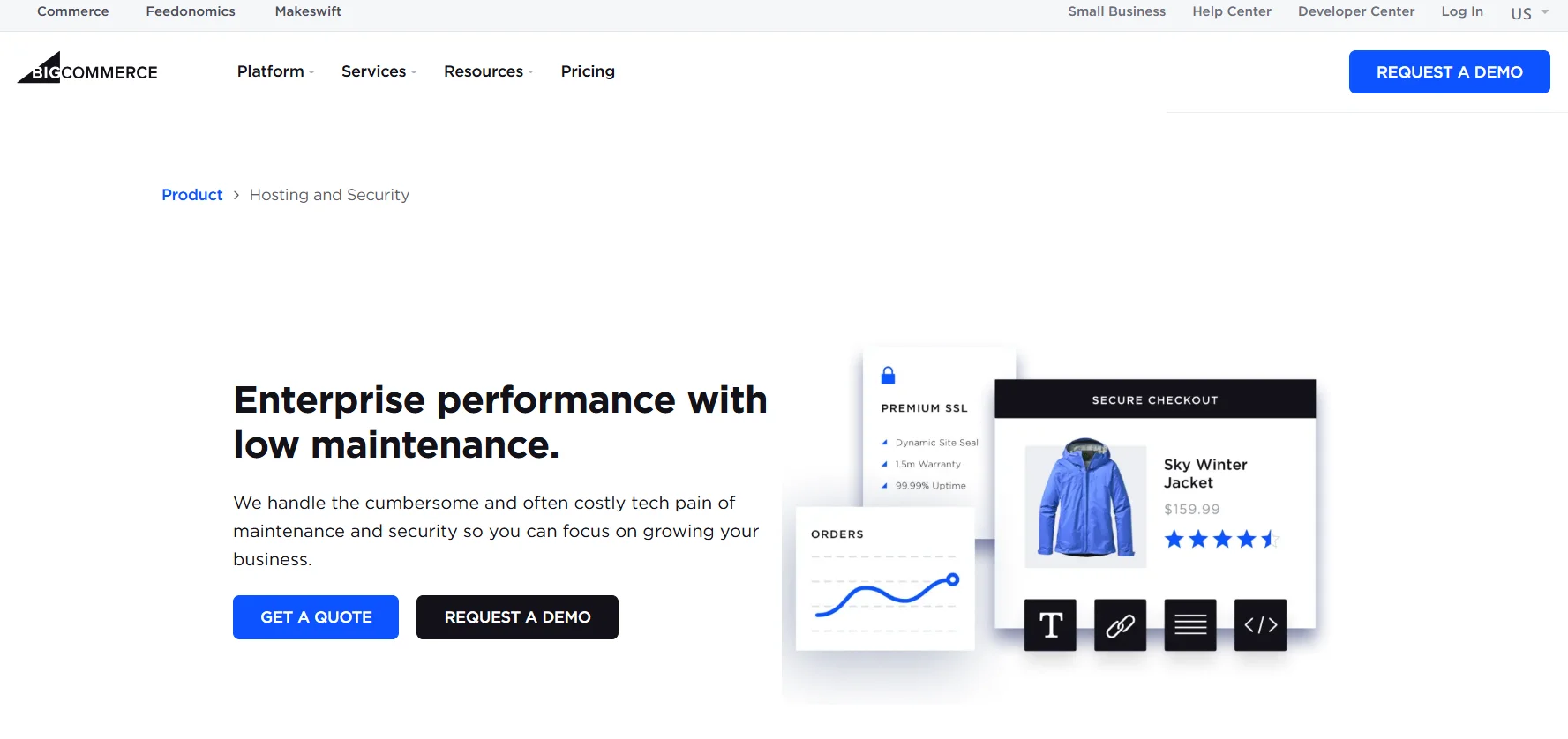
- BigCommerce: Integrates with 65+ gateways and never charges a transaction fee, regardless of the provider you choose.
5. Inventory, product management & scaling
As your store grows, management efficiency becomes essential.
- Shopify: Has a limit of 100 variants per product (though apps can bypass this), which can be restrictive for apparel or custom goods.
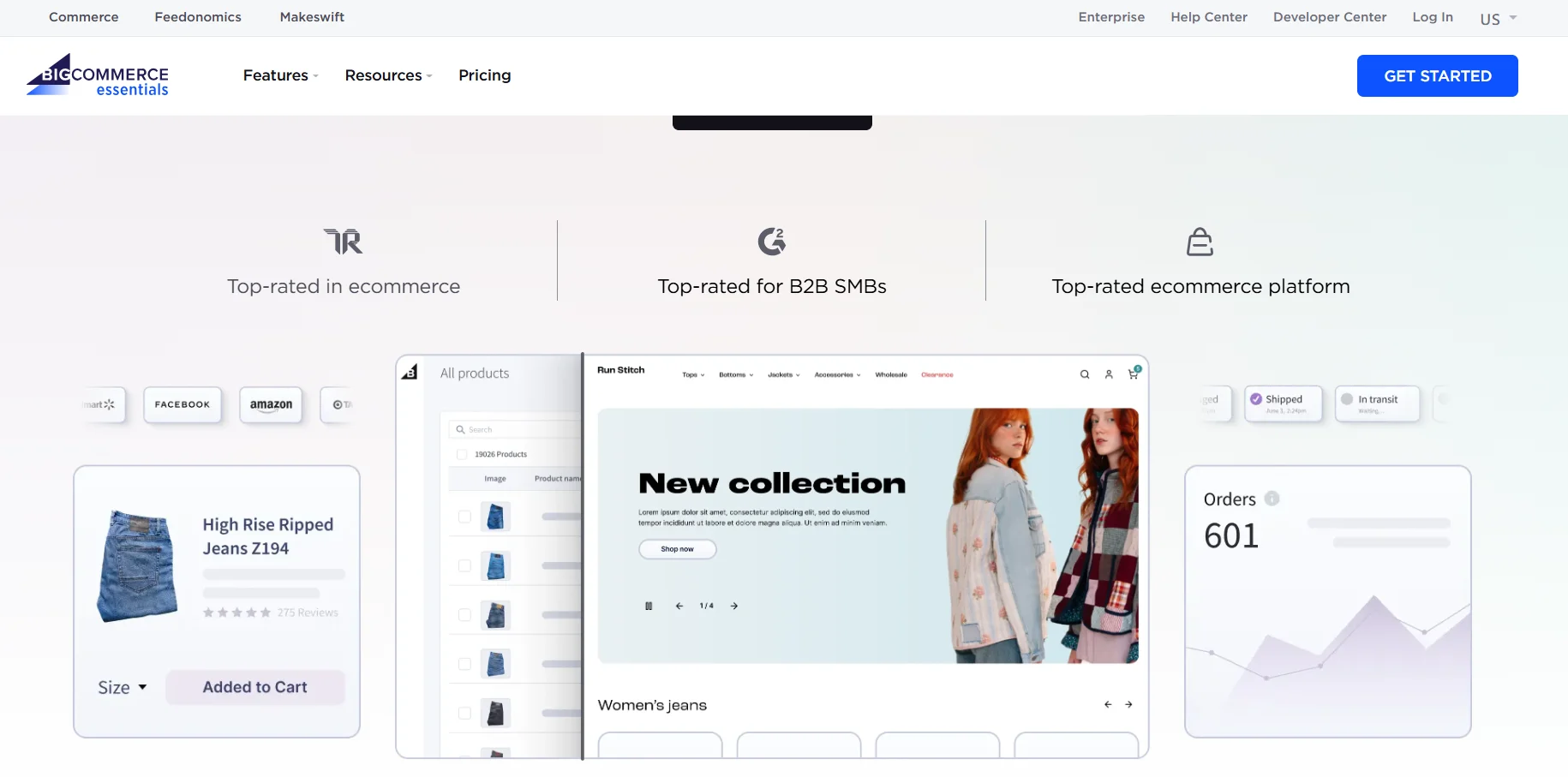
- BigCommerce: Allows up to 600 variants per product natively, making it ideal for large-scale inventory.
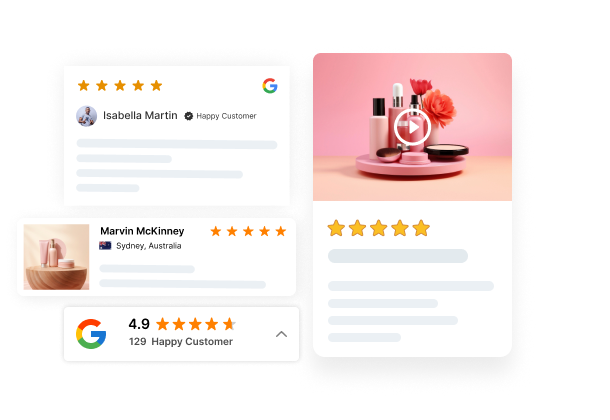
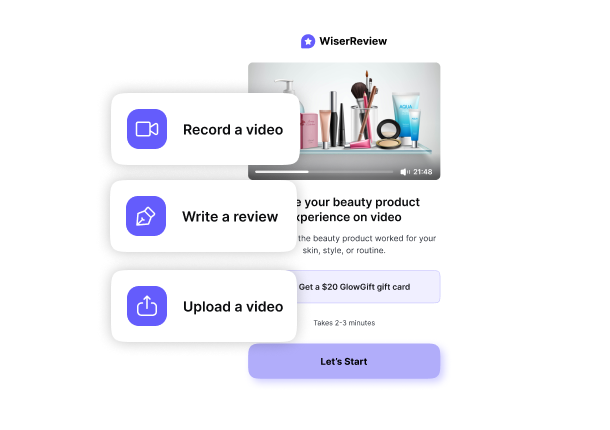
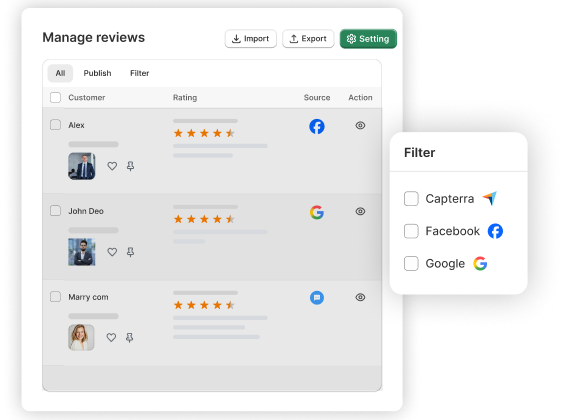
All your reviews in one place
Collect reviews, manage every response, and display them where they matter most.
6. International selling, multi-channel, B2B
Expanding globally and selling across channels need advanced support.
- Shopify: Excellent for social commerce (TikTok, Instagram) and basic global selling through “Shopify Markets.”
- BigCommerce: Features advanced B2B tools like customer groups, wholesale price lists, and native multi-storefront management.
7. SEO, marketing & channels
Visibility and marketing tools drive traffic and conversions.
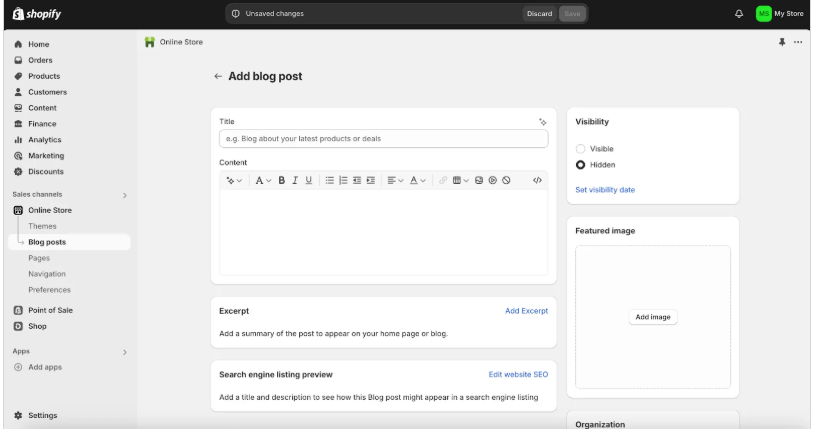
- Shopify: Includes a simple blogging engine and basic SEO fields; advanced SEO usually requires apps like Yoast or SEO Manager.
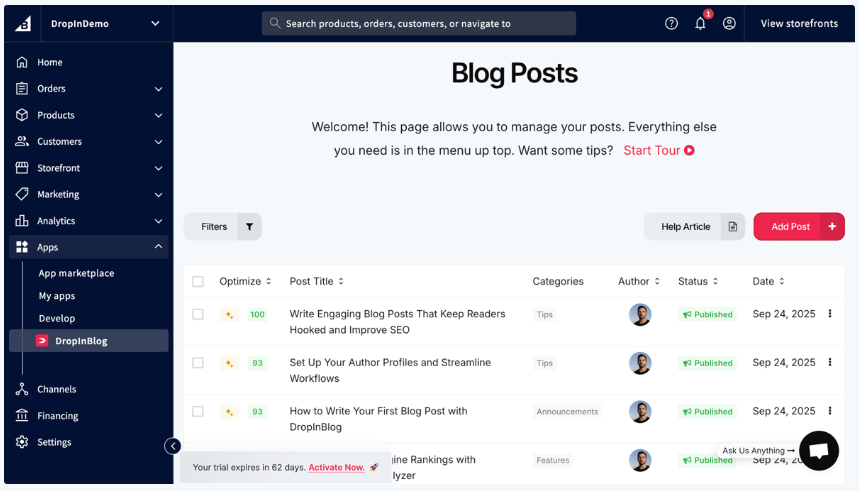
- BigCommerce: Offers advanced SEO features like customizable URL structures and automatic 301 redirects natively.
Pricing & plan structures
Pricing often becomes the deciding factor in BigCommerce vs Shopify. While both platforms are subscription-based, the long-term cost can vary.
Basic plan levels compared
Both platforms start around $39/month for their entry-level plans, but the value offered within those plans varies.
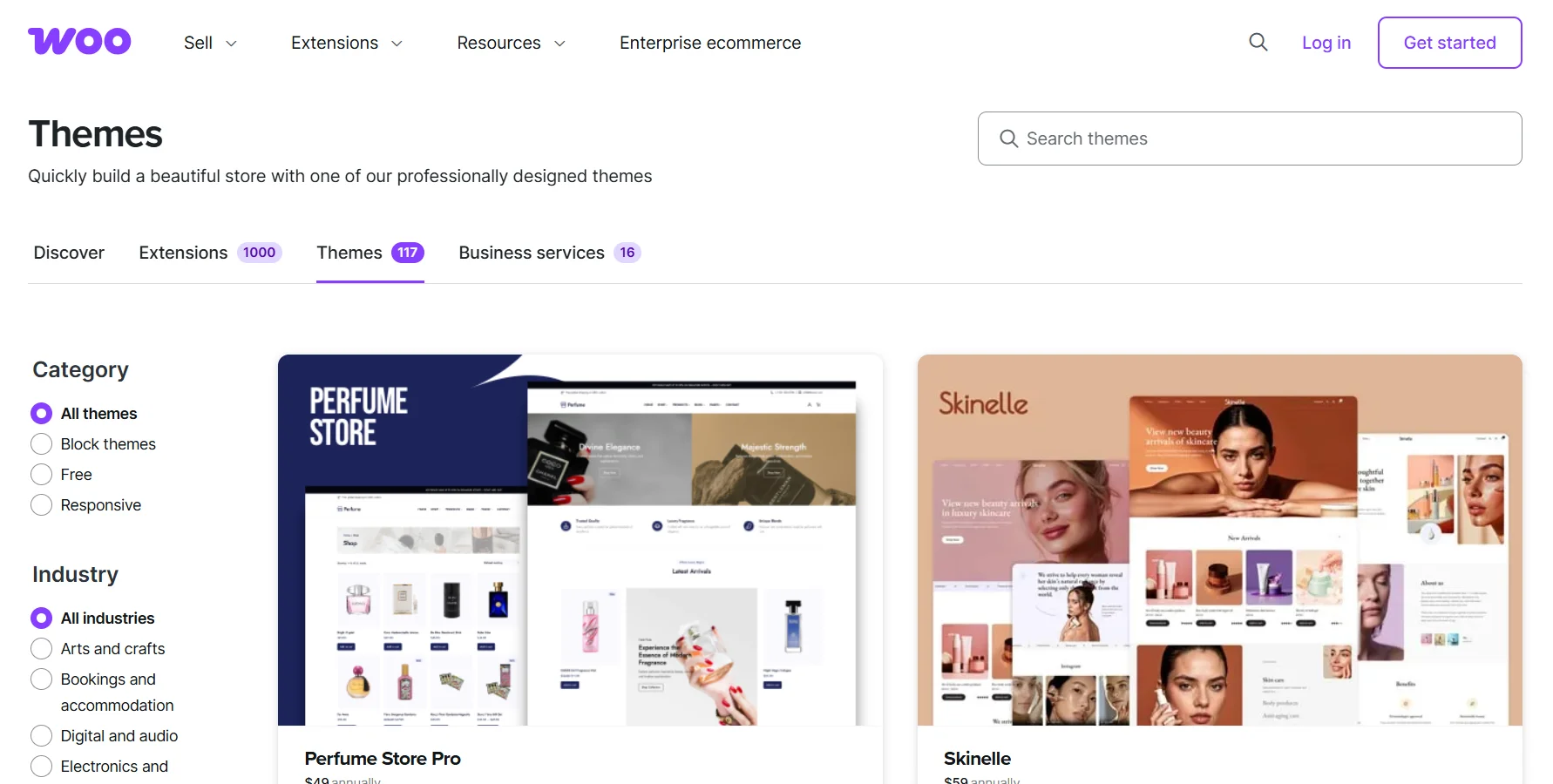
- Shopify: Offers a “Basic” plan at $39/month, which includes abandoned cart recovery, 24/7 support, and basic reports.
- BigCommerce: Its “Standard” plan is $ 39/month and includes more advanced reporting and real-time shipping quotes, but it lacks abandoned cart recovery (available in higher tiers).
Transaction fees and payment gateway impact
Transaction fees can significantly affect margins.
- Shopify: Charges 0 to 2% if you don’t use their proprietary payment gateway (Shopify Gateway)
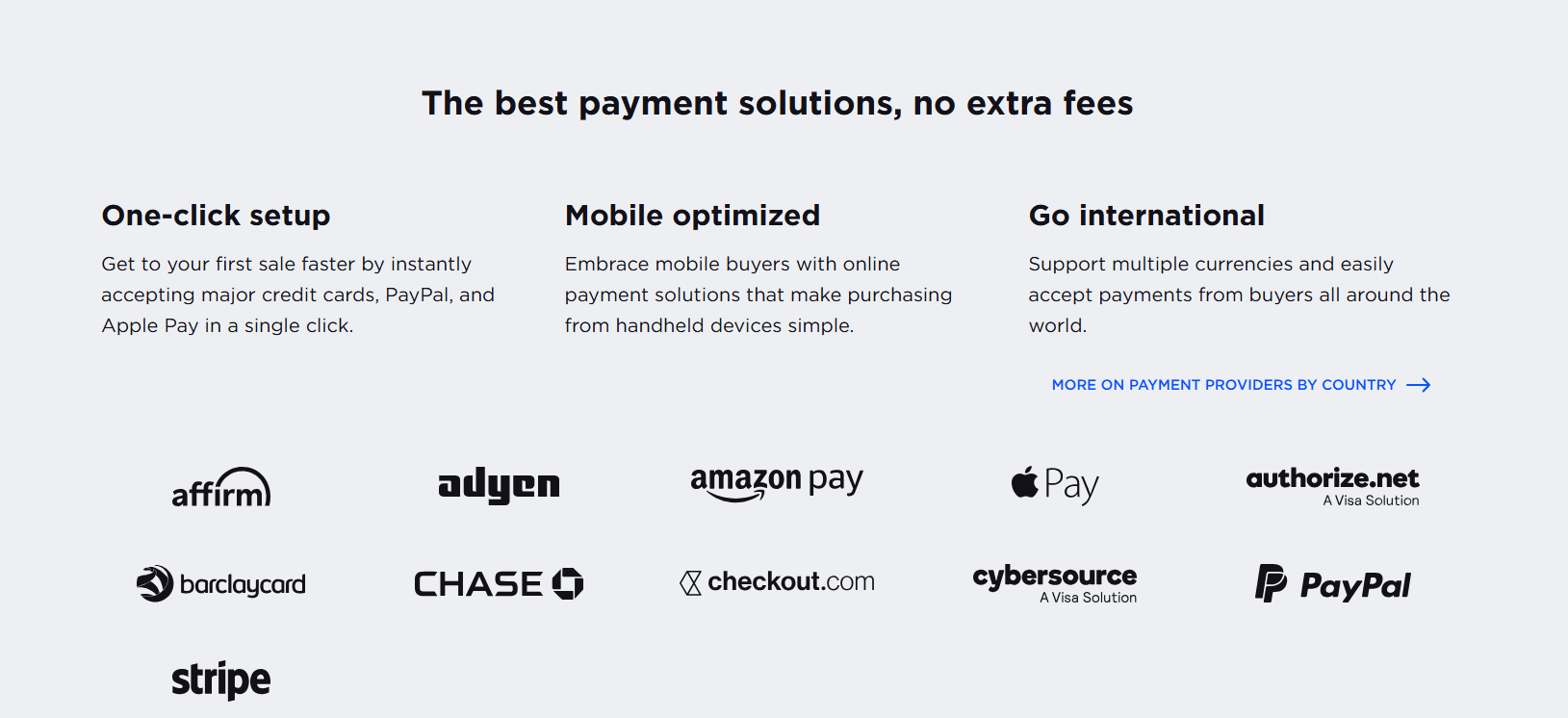
- BigCommerce: Zero transaction fees on all plans; you only pay the processing fee charged by your gateway provider (e.g., PayPal or Stripe).

All your reviews in one place
Collect reviews, manage every response, and display them where they matter most.Growth thresholds and plan upgrades
Plans are tied to sales volume thresholds.
- Shopify: Allows you to stay on basic plans regardless of your revenue, though higher plans offer lower credit card processing rates.
- BigCommerce: Automatically upgrades you to higher tiers as your sales grow, which can be an unexpected expense for growing brands.
Total cost of ownership (TCO) considerations
When calculating TCO, you must add [Monthly fee] + [App Fees] + [Transaction fees].
- Shopify: Often has lower monthly fees but higher app costs.
- BigCommerce: Higher monthly fees for successful stores, but lower (or zero) app and transaction costs.
Pros & cons
Understanding strengths and weaknesses helps clarify the choice.
Shopify: strengths
Shopify is built for speed and aesthetics, making it the favorite for modern ecommerce brands and influencers.
- Ecosystem: Access the largest pool of developers, apps, and themes in the world.
- User Experience: The most intuitive backend and the fastest, most reliable checkout experience for customers.
- Conversion: Shop Pay and a highly optimized checkout process lead the market in sales conversion.
- Social Commerce: Top-notch native selling on platforms like TikTok and Instagram.
- Dropshipping: Seamless integrations with suppliers like DSers and Spocket.
Shopify: weaknesses
The platform’s simplicity comes at the cost of control and extra fees for those who don’t follow the “Shopify Way.”
- Hidden Costs: App costs can quickly spiral into hundreds of dollars per month for a growing store
- Rigidity: Difficult to customize the checkout or URL structures without being on the enterprise-level “Plus” plan.
- App Dependency: Basic functionality often requires paid apps, cluttering the dashboard and increasing the monthly costs.
- Checkout Lock: Standard plans cannot modify the checkout code, limiting branding options during the final stage.
- Variant Cap: The 100-variant limit is a major hurdle for complex product catalogs, making it hard to avoid costly solutions.
BigCommerce: strengths
BigCommerce is a platform designed for advanced users. It offers strong technical options and sophisticated selling tools.
- Built-in Power: Includes more features than any other SaaS platform, from SEO to multi-currency.
- No Transaction Fees: Complete freedom to choose payment processors without being penalized by the platform.
- Scalability for B2B: Native support for complex catalogs and wholesale pricing makes it a B2B favorite.
- Unlimited Staff: No limit on the number of team members who can access the dashboard across all plans.
- Advanced SEO: Superior control over URL slugs, robots.txt, and metadata without needing additional plugins.
BigCommerce: weaknesses
BigCommerce offers a wide range of features, but this adds complexity and a pricing model that increases with growth.
- Learning Curve: The dashboard has a lot of data, which can be confusing for new store owners.
- Automatic Sales Cap: Each plan has an annual sales limit. If you exceed your plan limits, BigCommerce will automatically upgrade you to a more expensive plan, resulting in higher costs.
- Limited Theme Variety: While functionality, BigCommerce’s theme library is smaller than Shopify’s, and advanced customization often requires knowledge of their “Stencil” framework.
- App Selection: A smaller library of third-party apps compared to the massive Shopify App Store.
- Lack of Native POS: Merchants must pay for a third-party POS system (such as Clover or Square) to operate in physical stores.
Which platform should you choose?
The right choice depends on your business’s current size, your technical comfort level, and your plan to scale over the next three to five years.
For small-to-medium merchants or dropshipping
If you want to focus on branding and sales rather than technical maintenance, choose Shopify.
- Speed and Simplicity: You can launch a highly optimized store in just a few days.
- Dropshipping Support: The platform integrates seamlessly with top dropshipping suppliers, simplifying order fulfillment.
- Community Support: Since it’s the most popular platform, you can easily find tutorials, experts, and ready-made solutions.
- Low Barrier: No coding is required for a professional-looking site.
- Reliability: Built-in security and hosting mean you never have to worry about the technical backend.
For larger stores, multiple brands, B2B, or high volume
For complex tasks that require strength and lower app fees, BigCommerce provides a stronger base.
- Complex Product Catalogs: If your products have hundreds of variants and require custom fields, BigCommerce handles this much better than Shopify.
- Wholesale and B2B: The native B2B features allow you to manage bulk pricing and customer groups without paying for enterprise-level add-ons.
- Technical Flexibility: It is an “API-first” Platform, which makes it easier for developers to create custom, high-performance integrations.
- International Growth: Better native support for multi-storefront and multi-currency selling.
- SEO Dominance: Perfect for brands that rely on high-ranking organic results for customer acquisition.
- Customization: Better for brands that need a highly unique checkout experience or specialized data fields.
Decision checklist
- Technical Skill: Do you have access to a developer, or can you learn something new? (Yes = BigCommerce , No = Shopify).
- Payment Choice: Is using a specific third-party payment gateway essential for your region? (Yes = BigCommerce).
- Product Complecity: Does your product have more than 100 variants (size, color, material, etc)? (Yes = BigCommerce).
- Marketing Focus: Is your strategy focused on selling through social media and influencers? (If yes, choose Shopify.)
All your reviews in one place
Collect reviews, manage every response, and display them where they matter most.Wrap up
Both platforms are reliable, secure, and capable of running successful online stores. The right choice depends on how much control, how fast you plan to grow, and how comfortable you are managing advanced features.
Choose the platform that supports not just where your business is today, but where you want it to be tomorrow.
Frequently asked questions
It depends on your business. Shopify is easier for beginners and small stores, while BigCommerce is better for larger stores, B2B sellers, and businesses that want more built-in features.
You should consider switching if your store is growing fast, transaction fees are increasing, or you need advanced B2B and multi-channel features built in.
Yes, both platforms support international selling. BigCommerce offers more built-in options for global selling, while Shopify often relies on apps.
Yes, BigCommerce is designed for larger catalogs and higher sales volume. It also supports B2B features and multi-store setups.

Krunal