3 min
3 min 
Yelp is better for local businesses, and Trustpilot is better for online businesses.
Yelp helps local stores, restaurants, and service providers get discovered by people searching nearby.
Trustpilot helps online brands build public trust, collect reviews from real customers, and show those reviews in search results.
This guide breaks down how both platforms work, where each one is stronger, and which option fits your business based on how you serve customers.
Quick comparison: Yelp vs Trustpilot
Here is the table that shows how Yelp and Trustpilot compare across key features.
| Features | Yelp | Trustpilot |
|---|---|---|
| Pricing | From $150/ month | From $299/ month |
| Best For | Local businesses like restaurants, salons, and home services | Online stores, SaaS, and service-based companies |
| How Reviews Are Collected | Customers leave reviews on their own after visiting | Businesses send review invites; customers can also post freely |
| Audience Reach | Strong for local search and map results | Strong for Google search and worldwide online audiences |
| Review Type | Local experience reviews with photos and ratings | Service, delivery, product, or brand reviews from real buyers |
| Review Control | Limited control; Yelp filters reviews automatically | More control with reporting tools and verified reviews |
| Profile Page | Business page with photos, hours, and location | Public brand page showing all reviews and ratings |
| SEO Impact | Strong for local SEO | Strong for brand visibility in Google |
| Business Tools | Local ads, profile boosts, simple insights | Review invites, review widgets, badges, and detailed insights |
| Best Fit | Businesses that depend on walk-in customers | Businesses that need online trust and stronger conversions |
Platform overview
Here are the basics of what Yelp and Trustpilot do and the type of business each one supports.
What is Yelp?

Yelp is made for local businesses. People use it to find places near them, like restaurants, salons, clinics, repair shops, and other local services.
Customers open Yelp, check ratings, read recent reviews, and choose where to go.
Yelp gives each business a profile with photos, hours, and location details.
Most reviews come from people who visit in person, which makes Yelp helpful for businesses that depend on local foot traffic and walk-in customers.
What is Trustpilot?
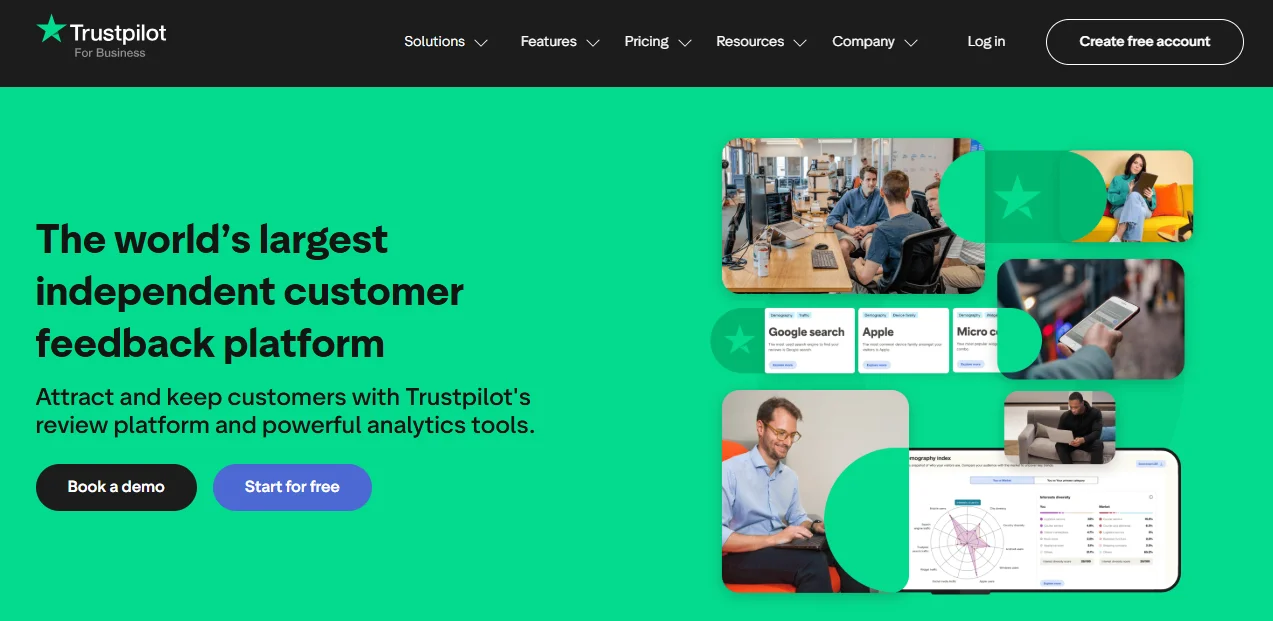
Trustpilot is made for online businesses. It helps companies collect reviews from real customers after they buy something.
These reviews appear on a public page that shows up in Google search, which helps new customers trust the brand.
Trustpilot works well for online stores, service companies, and subscription products.
It also gives tools to show reviews on websites and marketing pages, which can help increase sales and build stronger trust.
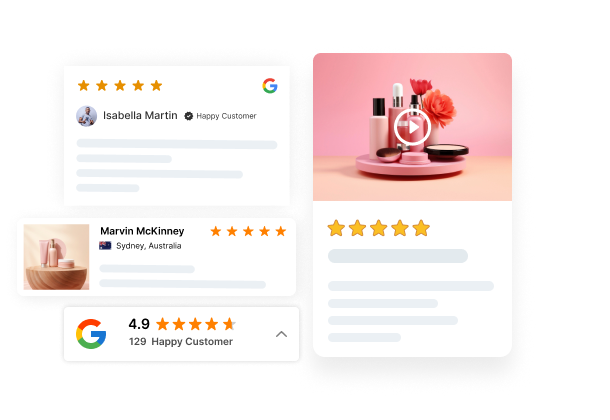
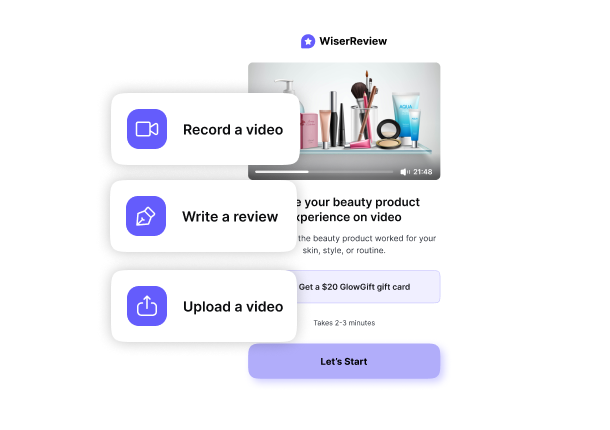
WiserReview is a complete review management tool that helps you collect reviews through email, SMS, WhatsApp, and direct links. It lets you manage all reviews in one place with easy filters and actions. You can automate review requests and reminders, and display text, photo, and video reviews using clean, modern widgets on your site.
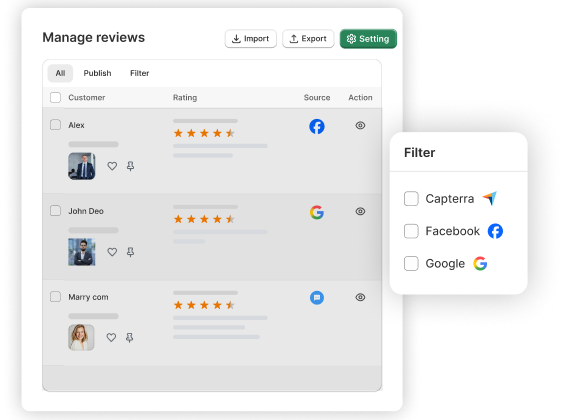
All your reviews in one place
Collect reviews, manage every response, and display them where they matter most.
Comparison of Yelp vs Trustpilot

Here is a clear view of how Yelp and Trustpilot differ in key areas that matter to your business.
1. User experience
Yelp focuses on helping people choose a local place quickly. The app shows ratings, photos, menus, prices, wait times, and location details in one view. Most people decide within seconds because the layout is built for fast, local decisions.
Trustpilot gives a different experience. Users can see a brand’s overall rating, the most recent reviews, and how the business responds. It feels more like checking a company’s reputation before buying something online.
2. Business features
Yelp gives local businesses a profile with all the basics: photos, hours, address, and phone number. Businesses can also add menus, service lists, and booking links. Paid tools help them appear higher in search results, but the overall feature set is simple.
Trustpilot provides more tools for online growth. Businesses can send review invites, add review widgets to product pages, show ratings in ads, and track performance in one dashboard. These features help companies that rely on online traffic and want stronger trust signals.
3. Review authenticity
Yelp uses an automated filter that decides which reviews appear and which do not. Some real reviews may be hidden if the system does not trust them. Businesses cannot control this, which makes the process feel unclear at times.
Trustpilot uses purchase-based verification and fraud checks to keep reviews clean. Customers can also write reviews on their own, but verified reviews carry more weight. Businesses have tools to report false or abusive reviews, which gives them more clarity and control.
4. Reach and audience
Yelp reaches people who search for local spots around them. It is strong in cities and neighborhoods where people want food, services, or entertainment. Most traffic comes from mobile searches and the Yelp app.
Trustpilot reaches people who search online for a brand’s reputation. Its public profiles often show up on Google when someone searches for a company name. This makes it useful for e-commerce stores, subscription services, and companies selling to customers in many places.
Which platform is right for your business?

The right choice depends on where your customers are and how they find you.
Choose Yelp if your business depends on local traffic.
- You run a restaurant, salon, clinic, repair shop, or home service.
- Most customers find you through local search or map results.
- You want a profile that shows photos, hours, menus, and location details.
- You want reviews from people who visit in person.
Choose Trustpilot if your business depends on online trust.
- You run an online store, SaaS product, or service-based business.
- Most customers search your brand name before buying.
- You want verified reviews from real buyers.
- You want reviews to show in Google search results.

All your reviews in one place
Collect reviews, manage every response, and display them where they matter most.
Start Free →Wrap up
Yelp and Trustpilot serve different kinds of businesses, and the better choice depends on how customers find you.
Yelp is the right fit for local shops that rely on walk-in traffic and need strong visibility in nearby searches.
Trustpilot is the better fit for online brands that want verified reviews, stronger search presence, and a public profile that builds trust.
If your business lives offline, Yelp gives you the reach you need. If your business lives online, Trustpilot gives you the trust signals customers look for before buying.
Frequently asked questions
Yelp is better for local businesses because customers use it to find nearby places like restaurants, salons, and service providers.
Trustpilot works better for online stores because it collects verified reviews and shows them in Google search results.
Yelp uses its own filter, so businesses have limited control. Trustpilot offers clearer tools for reporting unfair reviews and responding to customers.
Yelp helps with local search visibility, especially in map results. Trustpilot helps with brand visibility in Google search.
Trustpilot offers more verified reviews collected after a real purchase. Yelp reviews come from walk-in customers and may vary more in tone and detail.
Yes. WiserReview offers fast review collection, photo and video support, and easy setup at a low monthly cost.

Krunal